Table of Contents
Key Takeaways
- York’s rental market is tight, competitive, and significantly influenced by the university — understanding the different character of each area before you start viewing will save considerable time and frustration.
- Property to rent in York ranges from city centre apartments steps from the Shambles to large Victorian semis in leafy suburbs, with price, character, and tenant profile varying considerably between neighbourhoods.
- The best area for any individual tenant depends on their priorities: commute, budget, lifestyle, and whether proximity to the city centre or access to green space and quieter streets matters more.
- The university’s influence on certain postcodes — particularly Heslington, Fishergate, and Hull Road — means that rental stock, pricing, and the feel of the neighbourhood all shift significantly depending on term time.
- Transport links into the city centre are good from most areas, but York’s cycling infrastructure makes bike accessibility a genuine factor worth considering alongside car ownership and bus routes.
- Demand consistently outstrips supply in York’s rental market — having references, a guarantor if needed, and deposit funds ready to move quickly is not optional in this market.
Why York’s Rental Market Is Unlike Most UK Cities
York occupies an unusual position in the UK rental landscape. It is a genuinely historic city — one of the best-preserved medieval cities in Europe — with a compact, walkable centre, strong employment across several sectors, a significant university presence, and a consistent inflow of visitors, relocators, and professionals drawn by quality of life as much as by economic opportunity.
The result is a rental market that is persistently tight. Demand for property to rent in York has consistently outpaced supply for the better part of a decade, and the balance has not shifted materially despite ongoing residential development on the city’s edge. Good rental properties in sought-after areas are let quickly — often within days of listing — and tenants who understand the market and move decisively tend to secure the best properties.
This guide covers the main rental areas in and around York, honestly assessed for their character, their typical price range, their strengths, and the things worth knowing before you commit to a neighbourhood.
The City Centre and Walls
Character: Historic, vibrant, pedestrianised, tourist-facing Best for: Young professionals, couples, those without cars Price range: Higher than most areas — studio and one-bed apartments from £800–£1,100 pcm, two-beds from £1,100–£1,600 pcm
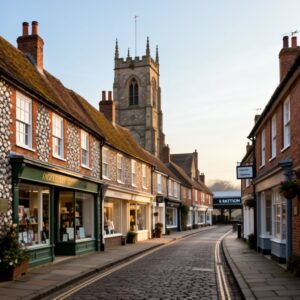
Living within or immediately adjacent to York’s medieval walls is the experience that most people picture when they imagine renting in the city. The Shambles, the Minster, the network of medieval streets known as the Snickelways — all of this is on the doorstep. The architecture is extraordinary, the restaurants and independent shops are exceptional, and the sense of living in a genuinely historical place is immediate and daily.
The trade-offs are equally real. The city centre is busy — York attracts millions of tourists annually, and the streets around the Shambles and the Minster in particular are crowded for much of the year. Parking is expensive, largely impractical, and in some streets simply not available to residents. Properties are typically apartments in converted historic buildings — characterful, often with excellent features, but sometimes with the quirks of old buildings: irregular layouts, limited storage, and period heating systems that do not always meet modern efficiency expectations.
For tenants who do not own a car, work remotely or within walking distance, and value the energy and amenity of the city centre, an apartment within the walls is York’s most distinctive rental experience. For families, those with multiple vehicles, or anyone who values quiet and outdoor space, it is rarely the right fit.
Bishopthorpe Road and Bishophill
Character: Independent-minded, village-within-a-city feel, increasingly sought-after Best for: Young professionals, couples, creative sector workers Price range: One-beds from £750–£950 pcm, two-beds from £950–£1,300 pcm
Bishy Road — as it is known by almost everyone who lives near it — has established itself over the past decade as one of York’s most desirable residential streets. The concentration of independent food and drink businesses, the Saturday farmers’ market, and the community atmosphere of what functions as a genuine local high street have made the area immediately to the south-west of the city centre extremely popular with professionals and couples looking for character without the full tourist-intensity of the centre itself.
The housing stock in this area is a mix of Victorian and Edwardian terraces and semis, with some purpose-built apartment development on the approaches to the city centre. Period features are common in the older stock, and the quality of finish in many of the converted flats and houses for rent in this area is high. The cycle route into the city centre is direct and practical, the schools are well-regarded, and the overall quality of life in the neighbourhood is consistently cited by residents as the primary reason they chose it and the primary reason they stay.
The area’s growing popularity has driven rents upward, and supply is tighter than in less fashionable areas. Properties on and immediately around Bishy Road are let quickly when they come to market.
Fulford
Character: Quiet, residential, well-connected, close to the university Best for: Families, university staff, professionals seeking space Price range: Two-beds from £900–£1,200 pcm, three-beds from £1,100–£1,500 pcm
Fulford sits immediately to the south of the city centre, separated from Fishergate by a short stretch of the A19. It is a predominantly residential neighbourhood of Victorian and Edwardian housing, with some later twentieth-century development, sitting between the city and the University of York’s Heslington campus. The Green at Fulford, the proximity to the riverside walk along the Ouse, and the access to Fulford Golf Course give the area a greenness and openness that is unusual at this distance from the city centre.
Rents in Fulford are more reasonable than in Bishy Road or the city centre for equivalent space, and the housing stock tends to be larger — three and four-bedroom family houses are more common here than in the denser terraces closer to the centre. The school catchments in Fulford are strong, which makes the area particularly attractive to families with children of school age.
The commute into the city centre is a short bus ride or a pleasant walk; the university campus is similarly accessible. The area attracts a mix of families, academics, and professionals, and has a more settled, less transient character than some of the areas closer to the university.
Heslington and Hull Road
Character: Student-dominated, close to university, affordable Best for: Students, young professionals, those on tighter budgets Price range: Rooms in shared houses from £450–£600 pcm, one-beds from £650–£850 pcm
The area immediately east of the city centre — following Hull Road towards the university — is York’s primary student rental zone. The proximity to both the University of York’s Heslington campus and York St John University’s city-centre site makes this corridor the natural choice for students, and the rental market reflects it: a high concentration of HMOs (houses in multiple occupation), shared houses, and lower-cost apartments aimed at student and young professional tenants.
Rents per room are lower here than in any other area close to the city centre, which makes the corridor attractive to single occupants on tighter budgets and to groups of friends seeking to share. The amenity on Hull Road itself — convenience stores, takeaways, and local pubs — is functional rather than aspirational, and the atmosphere during term time is noticeably student-oriented.
For non-student tenants, the key question is whether the term-time character of the neighbourhood suits them. During term, Hull Road and Heslington are busy and social; during vacation periods, particularly summer, the area empties significantly. Families and professionals seeking a more settled neighbourhood character will generally find other areas a better fit.
Acomb and Holgate
Character: Affordable, suburban, West York community feel Best for: Families, budget-conscious tenants, those needing car access westward Price range: Two-beds from £750–£950 pcm, three-beds from £900–£1,200 pcm
Acomb is York’s largest suburban district, lying to the west of the city centre across the River Ouse. It offers some of the most affordable rental stock within reasonable distance of York city centre — a meaningful consideration in a market where prices across the city have risen steadily — and a genuine community feel centred on Acomb Front Street, which retains a range of local shops, services, and amenities.
The housing stock in Acomb is predominantly interwar and postwar semi-detached and terraced housing, with some later development. Larger family homes at lower rents than equivalent properties on the more fashionable east side of the city make Acomb a practical choice for families prioritising space and value over address prestige. The downside is that the commute into the city centre, while manageable by bus or bike, takes longer than from areas closer in, and the aesthetic of the neighbourhood is functional suburban rather than characterful period.
Holgate, sitting between Acomb and the city centre, offers a step up in terms of proximity and period character — Victorian terracing is more common here, the walk into the centre is feasible, and rents sit between Acomb’s lower end and the city centre’s premium.
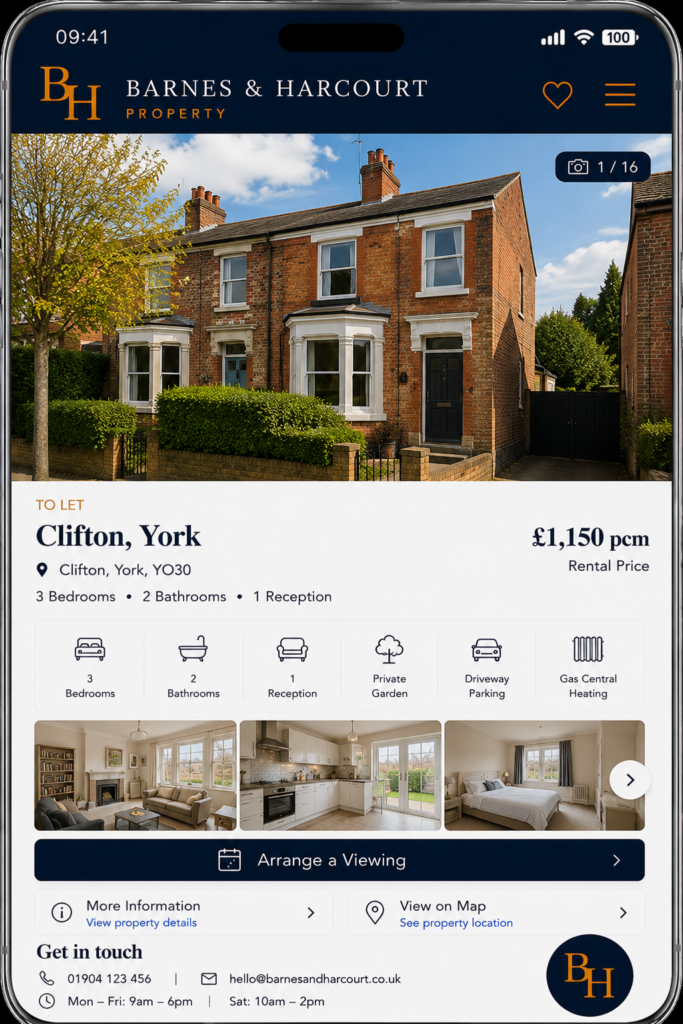
Clifton and Rawcliffe
Character: Established, leafy, family-oriented northern suburbs Best for: Families, professionals, those prioritising schools and green space Price range: Two-beds from £850–£1,100 pcm, three and four-beds from £1,100–£1,600 pcm
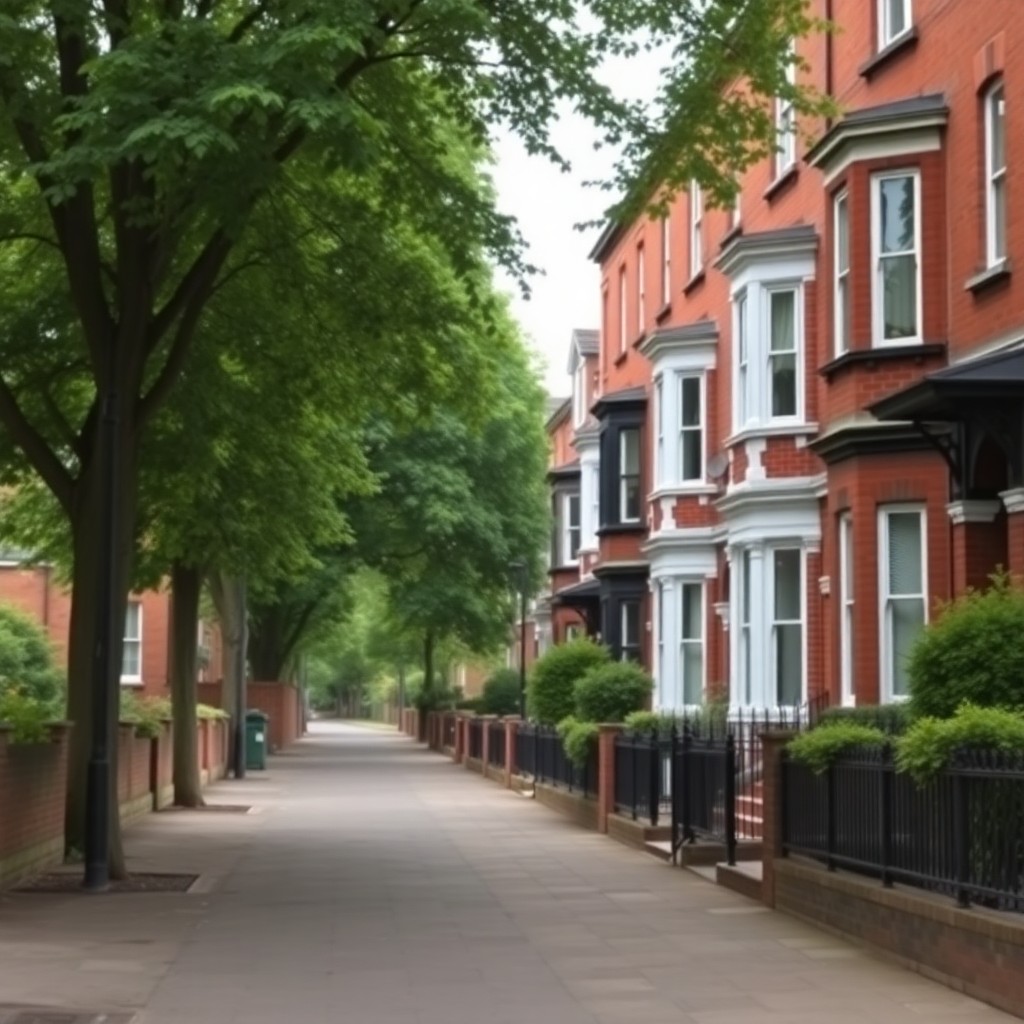
The northern suburbs of York — Clifton, Rawcliffe, and the villages immediately beyond — offer a different quality of life from the denser, more urban areas to the south and east. Tree-lined streets, larger gardens, proximity to Rawcliffe Meadows and the country park, and access to some of York’s best-regarded primary schools make this area consistently popular with families who want to be within the city but value the space and greenness that the northern suburbs provide.
Clifton in particular has a pleasant, established character — a mix of Edwardian and interwar housing stock, a local shopping street with independent businesses, and a community feel that reflects long-established rather than transient residency. Rents are not cheap — the combination of school catchments, housing quality, and neighbourhood character is valued by the market — but for equivalent space, the northern suburbs typically represent better value than comparable properties in Bishopthorpe Road or Fulford.
Rawcliffe extends the northern residential offer with more predominantly postwar housing, lower rents for equivalent space, and direct access to the Rawcliffe Bar Park and Ride, which makes the commute into the city centre by bus efficient even for those without a city-centre workplace.
Huntington and New Earswick
Character: Quiet, residential, north-east of the city Best for: Families, those working in the Monks Cross/Foss Islands employment zone Price range: Two-beds from £800–£1,000 pcm, three-beds from £950–£1,250 pcm
Huntington sits to the north-east of York city centre, adjacent to the Monks Cross retail and employment zone that includes the Vangarde shopping park, several large employers, and the Yorkshire County Cricket Club’s Headingley satellite site. For tenants working in this area, Huntington offers a short commute and affordable family housing without the need to commute into and out of the city centre.
The housing stock is predominantly postwar and more recent development, with less period character than the areas closer to the city. The area is well served by primary schools and has reasonable local amenity, though for dining, culture, and independent retail, the city centre is the destination.
New Earswick — a short distance north-west of Huntington — is notable as the Joseph Rowntree model village, a planned residential community developed in the early twentieth century by the Rowntree chocolate company. The distinctive cottage-style housing and well-maintained green spaces make it a pleasant and characterful place to live, and rental properties here, when available, tend to be popular and let quickly.
Poppleton and the Rural Villages
Character: Village life within commuting distance, best for car owners Best for: Families, those relocating from rural areas, professionals seeking space Price range: Two-beds from £900–£1,100 pcm, three and four-beds from £1,100–£1,600 pcm
For tenants who prioritise space, outdoor access, and a genuine village environment while remaining within reach of York’s employment and amenity, the villages immediately beyond the city boundary offer an alternative to urban rental living. Poppleton — Upper and Nether — has its own railway station on the York–Harrogate line, making it particularly practical for those who commute by rail. The village has good local amenity, strong school catchments, and a community character that smaller settlements sometimes lack.
Further afield, villages such as Skelton, Strensall, Haxby, and Wiggington offer family housing at prices that can be meaningfully lower than equivalent properties within the city boundary, with the trade-off of car dependency for most daily activities and a longer commute into the centre.
Practical Considerations for Renting in York
Move Quickly
York’s rental market is not one where extended deliberation is typically an option. Well-presented properties in sought-after areas receive multiple enquiries within days of listing and are frequently let before a prospective tenant who viewed on day two has decided to proceed. Having references ready — employer reference, previous landlord reference, and proof of income — before you start viewing, rather than gathering them after you have found a property, materially improves your ability to act quickly when the right property appears.
Budget Realistically
Headline rents in York have increased significantly over the past five years, driven by demand that has consistently outpaced supply. A budget built on rental prices from three or four years ago will not reflect the current market. Zoopla, Rightmove, and SpareRoom are reliable sources for current achieved rents in specific areas; let listed prices rather than asking prices guide your expectations.
Factor in Utility Costs in Period Properties
Many of York’s most characterful rental properties — the Victorian and Edwardian terraces and semis that make the city’s housing stock distinctive — are significantly less energy efficient than purpose-built modern apartments. Heating costs in an uninsulated Victorian terrace can be substantially higher than in a well-specified new-build of comparable size. Check the EPC rating of any property before committing, and factor in realistic utility costs as well as rent when assessing affordability.
Understand Parking Before You Sign
Parking in York is a genuine practical consideration that varies dramatically by area. Residents’ parking zones cover significant parts of the city, and in some zones waiting lists for permits are substantial. The city centre and the areas immediately around it often offer no practical residents’ parking at all. If car ownership is important to your daily life, confirm the parking situation for any specific property before signing a tenancy agreement — not as an afterthought.
Frequently Asked Questions
What is the average rent for a two-bedroom property in York?
As of 2025, average rents for a two-bedroom property in York range from approximately £850 to £1,200 per calendar month depending on the area, the condition of the property, and whether it is furnished. City centre and Bishopthorpe Road locations command the higher end; Acomb and the outer north and east suburbs sit at the lower end. Rents have increased materially over the past three to four years and continue to be pushed upward by demand that exceeds available supply.
Is York a good place to rent long-term?
For tenants who value quality of life, access to culture, history, and outdoor space alongside employment opportunities, York consistently ranks among the most liveable cities in the UK — and the rental experience reflects this. The tight supply means rents are not cheap relative to comparable northern cities, but the quality of the city itself — its scale, its architecture, its cycling infrastructure, and its community character across several neighbourhoods — makes it a rewarding long-term base for those who can make the economics work. Tenant turnover in established areas is lower than in more transient university towns, which suggests that those who rent in York tend to stay.
Which areas of York are best for families renting?
Families prioritising school catchments and space tend to gravitate towards Fulford, Clifton, Rawcliffe, and the northern suburbs, where larger properties with gardens are more available and primary school quality is consistently strong. Huntington and the villages immediately beyond the city boundary offer further options for families willing to accept car dependency in exchange for space and lower rents. The city centre and Hull Road corridor are generally less suited to family rental needs.
Are there pet-friendly rentals available in York?
Pet-friendly rental properties are available in York but represent a minority of the total rental stock. The tight market conditions mean that landlords with high demand for their properties have limited incentive to accept pets when they can fill a property without doing so. Tenants with pets should be prepared to be transparent about their animals from the first point of contact with a landlord or agent, and should budget for a higher deposit or a pet addendum to the tenancy agreement. Dedicated pet-friendly property search filters on Rightmove and Zoopla narrow the search efficiently.
How competitive is the rental market in York?
Very. York’s rental market has been characterised by excess demand over supply for an extended period, and this dynamic has not materially changed despite new residential development at the city’s edge. Desirable properties in popular areas routinely receive multiple applications within the first few days of listing. Tenants who arrive at viewings prepared — with references assembled, proof of income ready, and a clear understanding of their requirements — significantly improve their chances of securing a preferred property over equally interested but less prepared competitors.
Conclusion
Finding the right property to rent in York is largely a question of understanding which area suits the life you want to live — because York’s neighbourhoods, while close together in a compact city, offer genuinely different experiences. The city centre delivers history and energy at a premium. Bishy Road delivers community and independence. Fulford and the northern suburbs deliver space and calm within easy reach of everything. Acomb and Holgate deliver affordability and family practicality. The villages deliver rural space within commuting distance.
The rental market will not wait for extended deliberation — supply is tight, demand is persistent, and good properties go quickly. Know your priorities, know your budget, and be ready to move when the right property appears. In a city as rewarding to live in as York, that preparation is always worth making.