If you’re working with limited space, bespoke joinery helps you use every centimetre more effectively. You can fit storage around awkward corners, sloping ceilings, and architectural features while keeping the room tidy and cohesive. Although the initial cost may exceed off-the-shelf furniture, durable materials and precise craftsmanship can deliver better long-term value. The key is knowing which custom solutions will make the greatest difference to your space and budget.
Key Takeaways
- Bespoke joinery maximizes every centimetre, fitting precisely around alcoves, sloping ceilings, chimney breasts, and narrow gaps.
- Integrated wardrobes, shelving, and storage keep belongings organized while preserving clear walkways and valuable floor space.
- Coordinated finishes, concealed handles, and aligned panels create a calm, seamless appearance that makes small rooms feel larger.
- Durable materials, quality hardware, and skilled craftsmanship provide better performance, longevity, and repairability than mass-produced furniture.
- Tailored internal layouts support your routines and possessions, making the higher initial cost a practical long-term investment.
Why Bespoke Joinery Works in Small Spaces
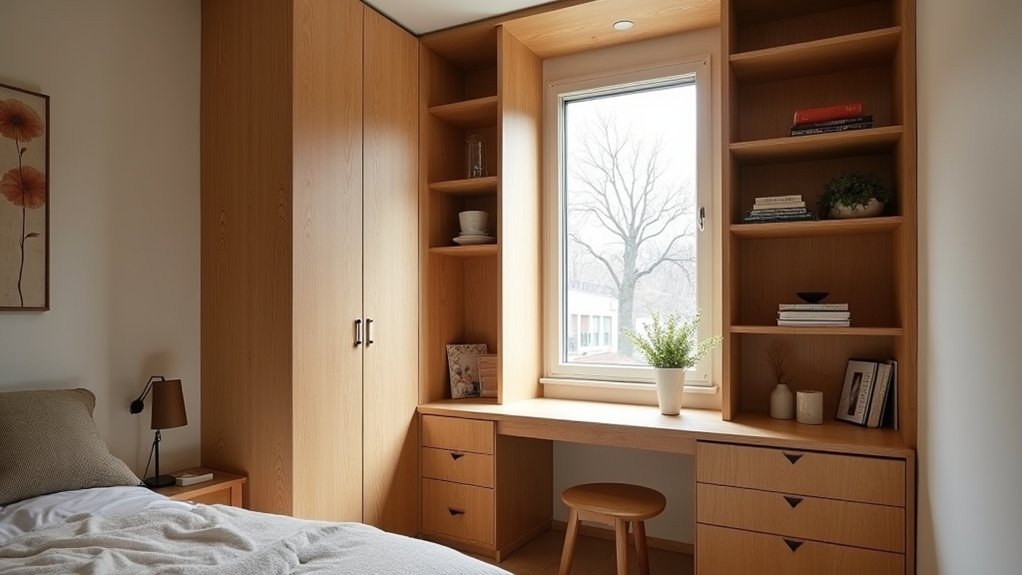
Bespoke joinery makes every centimetre work harder in a small space. You can tailor cabinetry to your room’s exact measurements, creating storage that sits flush with walls and supports your daily routine.
Instead of accepting bulky, standard furniture, you’ll choose proportions, materials, and finishes that keep the layout balanced. Integrated shelving, built-in wardrobes, and streamlined cupboards reduce visual clutter while giving you a place for everything.
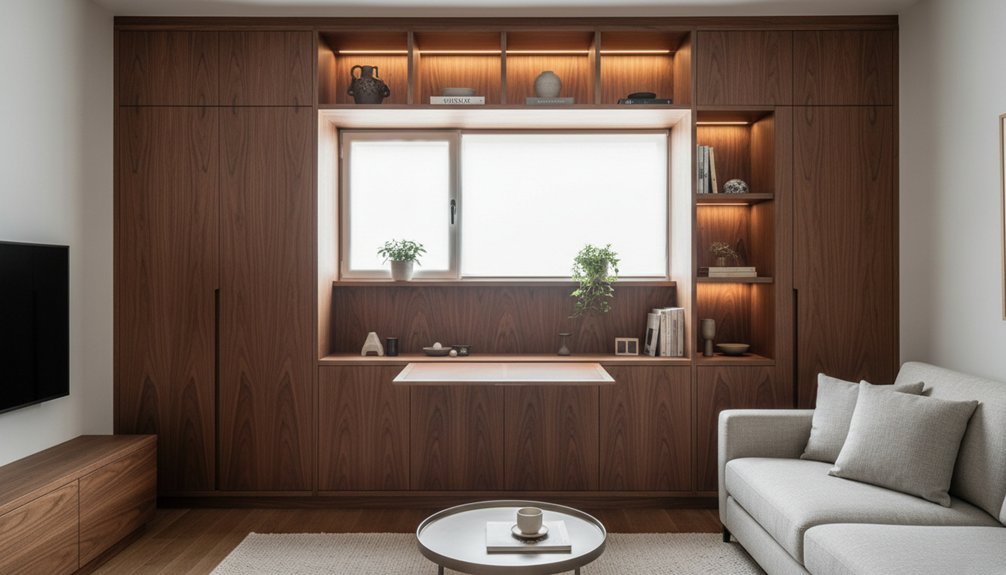
You can also coordinate color schemes across doors, panels, and surrounding walls, making the room feel calmer and more expansive. Thoughtful lighting options, such as concealed strips beneath shelves, add useful illumination without consuming surface space.
Skilled makers guarantee each joint, hinge, and finish performs reliably, so your investment delivers lasting function, refined appearance, and a room that feels deliberately designed.
Make Use of Awkward Corners
Awkward corners don’t have to become dead space when you design storage around their exact dimensions. Bespoke joinery can follow sloping ceilings, recessed walls, chimney breasts, and narrow gaps, giving you useful capacity without making the room feel crowded.
You’ll gain a cleaner finish because every panel, shelf, and door aligns with the surrounding structure. Rather than disguising unusual angles, you can make them part of the design, using contrasting timber, glass, or paint as Decorative accents.
Careful detailing also helps your joinery complement existing Architectural details, such as skirting boards, cornices, or exposed beams. Ask your joiner to measure onsite and account for uneven walls, ventilation, and access.
That precision guarantees your fitted solution looks intentional, functions smoothly, and remains durable for years.
Best Bespoke Storage Ideas for Small Rooms
Once awkward corners are working harder, you can extend the same space-saving approach throughout the room with storage tailored to how you live. Choose bespoke cupboards with adjustable shelves, dedicated drawers, and compartments sized for your books, technology, clothing, or hobbies. You’ll avoid wasted gaps and keep everyday items easy to reach without overcrowding the room.
Consider a window seat with concealed storage for blankets, or a built-in display cabinet that combines closed sections with open shelving. Careful color coordination can make the joinery feel calm and intentional, while matching finishes tie it to your existing décor.
Add lighting integration beneath shelves or inside glazed cabinets so you can find essentials quickly and create a warmer atmosphere. Quality hinges, durable surfaces, and precise detailing ensure your investment performs beautifully for years.
Save Floor Space With Fitted Storage
When floor space is limited, fitted storage keeps belongings organised without reducing the room’s usable area. Built-in cupboards can occupy awkward alcoves, reach unused wall height, and replace bulky freestanding furniture. You’ll gain clearer walkways while keeping everyday essentials within easy reach.
Drawers beneath windows, shallow shelving beside doors, and integrated wardrobes make every centimetre work harder without compromising access.
Design versatility lets you choose configurations that suit your room, routines, and storage needs. You can combine hanging rails, adjustable shelves, and pull-out compartments to prevent wasted gaps.
Careful Material selection also supports long-term value: durable boards, quality hardware, and robust finishes withstand frequent use.
Plan internal dimensions around what you own, rather than forcing possessions into standard units. With precise measurements and thoughtful fittings, you’ll create capacity where conventional furniture can’t.
Create a Seamless Fitted Look
A seamless fitted look makes a compact room feel calmer and more spacious by aligning cupboards, shelving, and panels with the architecture. You can extend this effect by matching door fronts to your walls, skirting boards, or existing furniture.
Thoughtful Color coordination reduces visual breaks, helping storage recede rather than dominate the room. Concealed handles, consistent lines, and carefully planned gaps create a polished finish without wasting usable space.
Bespoke joinery also gives you design versatility: you can combine open shelving for display, closed cabinets for clutter, and integrated lighting for practical task areas.
Your designer can work around awkward corners, sloping ceilings, and alcoves, turning irregular features into part of the scheme. The result feels intentional, balanced, and tailored to your home, rather than simply installed.
Choose Durable Materials for Custom Storage
A well-planned fitted look should be supported by materials that withstand daily use. When choosing custom storage, give material selection the same attention as layout.
In a busy hallway, durable laminate, sealed timber, or quality veneer can resist scuffs, moisture, and frequent handling without making the room feel heavy. Ask your joiner to recommend finishes suited to each location: wipe-clean surfaces work well near kitchens, while robust boards protect wardrobes and utility cupboards.
Add a durability focus to high-contact details, including hinges, drawer runners, handles, and shelf edges. These components affect how smoothly your storage performs over time.
Choose adjustable shelving where possible, so you can adapt the interior instead of replacing the unit. Durable materials keep your fitted furniture looking refined, functioning reliably, and supporting efficient use of every inch.
What Does Bespoke Joinery Cost?
Bespoke joinery costs vary according to the size, materials, internal fittings, finish, and installation involved. Cost factors also include the room’s shape, access for fitting, and the complexity of features such as pull-out storage, integrated lighting, or concealed doors.
A compact wardrobe may cost less than a full wall of cabinetry, yet clever planning can deliver more usable capacity without increasing the footprint.
For sensible Budget considerations, define what you need the joinery to store before requesting quotes. Share accurate measurements, preferred finishes, and must-have fittings with your joiner, then ask for an itemised estimate.
Confirm whether design work, delivery, installation, decorating, and electrical work are included. You can control spending by prioritising high-use features, choosing durable standard finishes, and phasing optional additions.
Comparing like-for-like quotations helps you understand the true price.
Is Bespoke Joinery Worth the Cost?
Bespoke joinery can deliver long-term value by using every centimetre of your space efficiently. You’ll gain tailored storage, durable materials, and a finish designed around your needs.
Although the upfront cost is higher, the lasting functionality and reduced need for replacements may make it worthwhile.
Long-Term Value
Although bespoke joinery costs more upfront, it can deliver lasting value by using every centimetre efficiently, matching your space precisely, and reducing the need for replacements.
Consider your budget considerations alongside construction quality, hardware, finishes, and expected lifespan rather than comparing prices alone.
Durable materials and careful craftsmanship help your storage withstand daily use, protecting your investment over many years.
Ask your joiner about warranties, maintenance requirements, and repair options before you commit.
Material sustainability matters, too: responsibly sourced timber, low-impact finishes, and repairable components can reduce waste and support a longer service life.
When you spread the initial cost across years of reliable performance, bespoke joinery can prove more economical than replacing ill-fitting, mass-produced furniture.
You’ll also gain confidence that your investment remains practical, robust, and visually consistent.
Tailored Space Solutions
When standard furniture leaves awkward gaps or blocks access, tailored space solutions let you design storage around the room rather than forcing the room to accommodate it. You can use every centimetre, from sloping ceilings and narrow alcoves to space beneath stairs.
A joiner can build fitted wardrobes, shelving, desks, or media units that match your measurements and daily routines, keeping pathways clear and clutter controlled.
Bespoke design also supports Personalized aesthetics, so you’ll choose finishes, colours, handles, and layouts that complement your home instead of settling for generic options.
Although the initial cost exceeds flat-pack furniture, durable materials and Unique craftsmanship can deliver better performance and longevity.
When you value usable space, visual harmony, and reliable construction, bespoke joinery can justify its investment while making your smaller room work harder every day.
How to Plan Your Joinery Project
Start by measuring the room, noting awkward corners, door swings, windows, sockets, and access points before you plan the design. List what you need to store, display, or conceal, then prioritise daily-use items. This helps your joiner create proportions that work hard without making the room feel crowded.
Discuss design flexibility early. Adjustable shelves, concealed drawers, sliding doors, and multifunctional seating can adapt as your needs change. Share reference images, preferred finishes, and a realistic budget, but stay open to expert recommendations.
Careful material selection matters in compact rooms: durable boards, quality veneers, and hard-wearing hardware protect your investment while maintaining a refined appearance.
Request accurate drawings, internal layouts, and finish samples before approving the build. Confirm timelines, installation access, and snagging arrangements, so your bespoke joinery arrives ready to fit cleanly and perform beautifully.
Frequently Asked Questions
What Maintenance Does Bespoke Joinery Require Over Time?
Maintain bespoke joinery by balancing gentle care with decisive attention: follow suitable cleaning routines, inspect hinges and fittings, refresh finishes when worn, and address damage promptly. You’ll preserve functionality, appearance, and valuable space.
How Long Does a Bespoke Joinery Installation Typically Take?
You’ll typically need two to six weeks, depending on size, complexity, Material selection, and Design flexibility. Your joiner measures, designs, manufactures, and installs carefully, while clear decisions and site access help prevent delays.
Can Bespoke Joinery Be Adapted as My Storage Needs Change?
Yes, you can adapt bespoke joinery as your storage needs change. Modular flexibility lets you reconfigure components, while design versatility supports new functions. Built-in quality means your investment won’t be left high and dry.
What Happens if Bespoke Joinery Is Damaged or Needs Repairs?
You’ll usually repair bespoke joinery by replacing damaged panels, hinges, or fittings rather than rebuilding everything. Aesthetic customization helps match replacements, while Material durability supports long-term fixes. Contact your joiner promptly for precise assessments and seamless repairs.
Can I Incorporate Lighting, Charging Points, or Smart-Home Features Into Bespoke Joinery?
Yes, you can add integrated lighting, charging points, and smart integration. Your joiner can conceal cables, position sockets precisely, and coordinate controls, creating a clean, convenient, carefully crafted solution tailored to your space and lifestyle.