
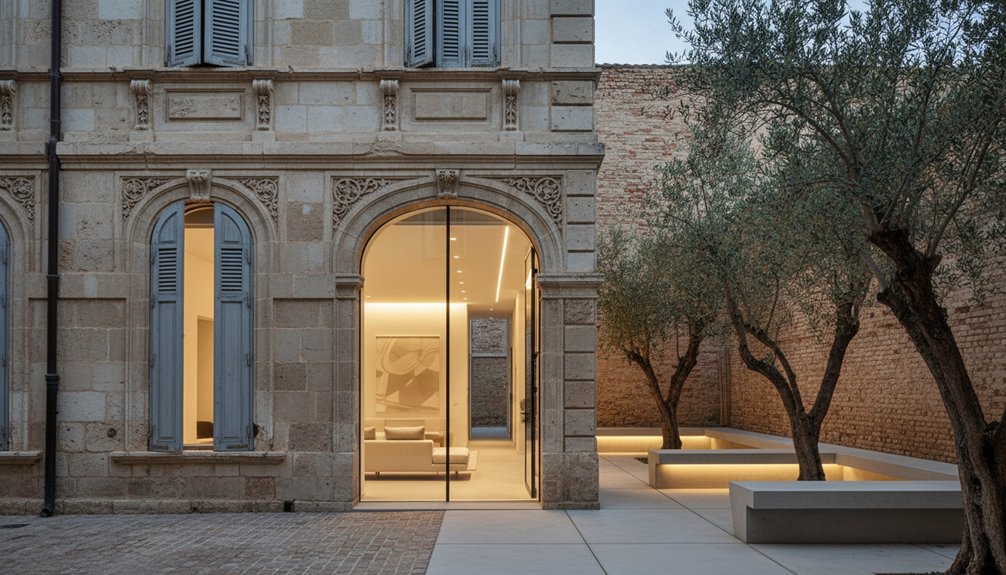
Like a well-worn chapter of history, your heritage home carries stories in its proportions, materials, and patina. You can preserve that character while introducing the comfort, efficiency, and flexibility modern life demands. Start by evaluating which original details deserve protection, then shape new layouts, finishes, lighting, and technology around them rather than against them. The balance is subtle, and a few overlooked choices can determine whether your renovation feels thoughtfully renewed or simply altered.
Key Takeaways
- Preserve original features such as fireplaces, floorboards, cornices, doors, staircases, and windows wherever possible.
- Improve circulation and functionality while respecting the home’s proportions, room sequence, sightlines, and architectural rhythm.
- Combine natural, durable materials with contemporary finishes that complement the property’s age and character.
- Integrate smart lighting, heating, speakers, and security discreetly through concealed wiring and reversible installations.
- Blend heritage colors, patterns, and craftsmanship with modern furniture and amenities to create a collected, comfortable home.
Assess Your Home’s Original Character
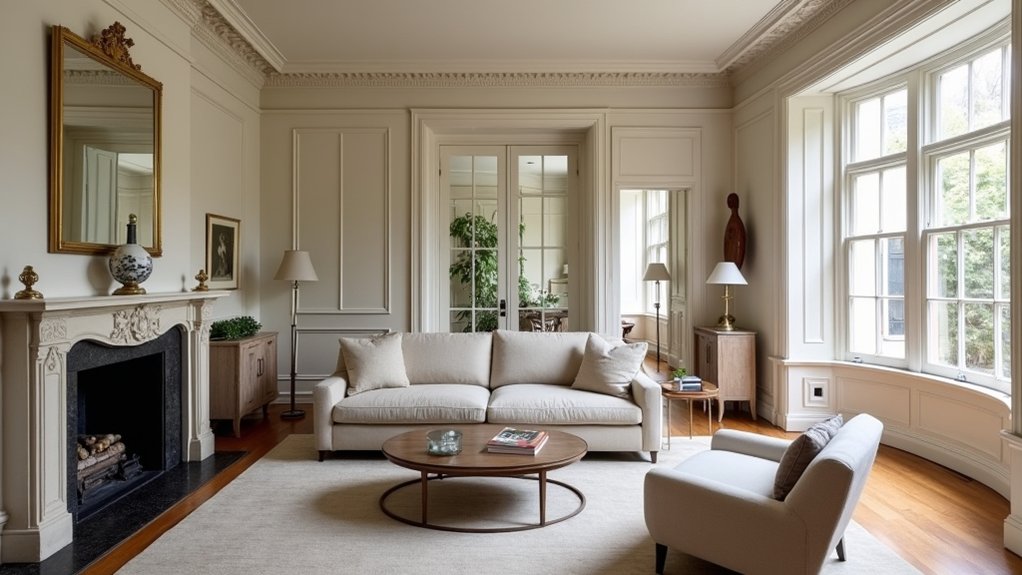
Before planning updates, take time to understand what gives your home its identity. Walk through each room with a curious, objective eye, noting its proportions, light, materials, and relationship to the street.
Look beyond age alone: a modest terrace, Victorian villa, or early twentieth-century apartment can each express distinctive Architectural authenticity. Research the building’s date, designer, neighbourhood, and former uses to uncover its Historical significance.
Local archives, historic maps, planning records, and conversations with long-term residents can reveal valuable context. You’ll then see which qualities define the property’s character and guide contemporary choices with confidence.
Consider how original layouts support daily life, where circulation feels awkward, and how the home connects indoors and out. This assessment creates a clear foundation for thoughtful, cohesive improvements.
Preserve Period Features Worth Keeping
Once you’ve identified your home’s defining qualities, protect the period features that give it depth and distinction. Look closely at original floorboards, fireplaces, cornices, doors, staircases, and windows before replacing anything. Their imperfections often provide the strongest connection to your home’s story.
Choose careful restoration techniques over unnecessary renewal. Repair cracked plaster, revive timber with compatible finishes, and match missing details using materials that respect the original craftsmanship. Where paint layers or joinery reveal historic colour, test discreetly before committing to a new scheme.
Heritage preservation doesn’t mean freezing your home in time. It means retaining authentic elements while improving their condition and performance sensitively. Consult a conservation specialist when structural damage, listed status, or rare materials complicate decisions.
Document significant work, keep salvageable components, and ensure every intervention remains reversible wherever possible. Your restraint will make contemporary additions feel more considered and refined.
Plan a Modern Layout Without Losing Character
Let the home’s original proportions guide a modern layout, so new spaces feel purposeful without erasing its character. Study the rhythm of rooms, ceiling heights, doorways, and sightlines before you redraw the plan.
You can open a cramped kitchen to an adjoining dining area, but retain a clear sense of sequence between public and private spaces. Use discreet thresholds, glazed partitions, or well-placed furniture to define zones without overwhelming original details.
During Historical restoration, protect features that anchor the home’s identity, while adapting circulation for contemporary routines. Consider how natural light moves through each room and position work, relaxation, and storage areas accordingly.
Your choices should respect the property’s Cultural significance, creating comfort that feels evolved rather than imposed. A thoughtful layout lets heritage and everyday living coexist with confidence.
Choose Timeless Materials for Heritage Homes
Choose materials that feel at home in the property’s original era while meeting modern demands for durability and comfort. Timeless materials such as natural stone, solid timber, lime plaster, and handmade ceramic tile can reinforce the home’s character without making it feel preserved in amber.
Select finishes with subtle variation, visible grain, and tactile depth to support Heritage authenticity and create a collected, lived-in atmosphere. You’ll also want to think about performance: seal stone for easier maintenance, choose responsibly sourced wood, and use breathable wall finishes where older construction requires them.
Keep the palette restrained, drawing from existing masonry, woodwork, and surrounding landscape. By pairing traditional substance with dependable contemporary treatments, you’ll protect the home’s story while gaining surfaces that age gracefully and serve everyday life.
Design Kitchens and Baths Around Original Details
Design kitchens and baths around the original details that give a heritage home its identity, from exposed beams and paneled walls to sash windows, period trim, and historic flooring. Let these features guide your layout, rather than forcing them into a purely contemporary scheme.
Position sinks, ranges, and appliances to preserve sightlines and protect architectural elements.
Choose Custom cabinetry that follows the room’s proportions, with inset doors, furniture-like legs, or discreet hardware that respects the home’s age while providing efficient storage.
Vintage fixtures, such as a restored farmhouse sink, claw-foot tub, or period-style taps, can add authenticity without sacrificing daily practicality.
Where updates prove necessary, conceal modern plumbing and ventilation thoughtfully.
You’ll create kitchens and baths that feel original, functional, and comfortably suited to modern life.
Layer Lighting, Color, and Texture
You’ll create depth by combining ambient, task, and accent lighting that highlights your home’s original character.
Choose a harmonious palette that feels fresh while complementing historic details.
Add textured heritage accents—such as aged timber, handmade tile, or woven fabric—to bring warmth and authenticity.
Layered Lighting Schemes
As evening settles over a heritage interior, layered lighting brings its architecture, colors, and textures into sharper relief. Start with an ambient glow from discreet ceiling fixtures or restored chandeliers, allowing original plasterwork, timber, and stone to retain their character.
Add task illumination where you read, cook, or work, using adjustable lamps that deliver comfort without overwhelming period details.
Accent lighting then draws attention to carved moldings, textured walls, artwork, or an aged fireplace, creating depth across the room. Choose warm, dimmable sources to soften contrasts and preserve an inviting, historically sensitive mood.
Conceal modern wiring where possible, while selecting fittings whose silhouettes respect the property’s era. By combining practical and decorative layers, you’ll create a scheme that feels both rooted in heritage and effortlessly suited to contemporary living.
Harmonious Color Palettes
With layered lighting setting the mood, a harmonious color palette can connect heritage features with contemporary comfort. Begin with the room’s period details, such as original brick, timber, or stone, and let their natural tones guide your palette selection.
Choose softened neutrals—warm ivory, clay, taupe, or muted sage—to respect the past without making the space feel dated. Then introduce one or two restrained contemporary shades through painted walls, cabinetry, or upholstery.
You’ll achieve Color harmony when each hue relates to the next and supports the room’s architectural character. Consider how daylight and evening illumination alter saturation, testing samples at different times.
Keep contrast purposeful: deeper tones can frame historic features, while lighter shades preserve airiness and make modern furnishings feel comfortably integrated.
Textured Heritage Accents
Bring heritage character into sharper focus by layering tactile accents alongside your lighting and color choices. Start with a linen shade or aged-brass pendant to cast warmth across plaster walls and carefully selected furnishings.
Then introduce textured accents through woven cushions, nubby wool throws, carved timber, or a hand-finished ceramic lamp. These materials give your room depth without making it feel visually crowded.
Echo architectural details with decorative motifs, such as a subtle botanical print, geometric tile border, or embroidered medallion. Keep the palette restrained, allowing texture to provide contrast while heritage hues—ochre, sage, clay, or deep blue—anchor the scheme.
You’ll create a space that feels collected rather than themed, where traditional craftsmanship meets contemporary ease. Balance rough and refined surfaces, and let each layer support the next.
Install Smart Features Discreetly
You can conceal smart controls within discreet panels, period-style fittings, or existing joinery.
Preserve your home’s architectural character by keeping screens and switches visually quiet.
You’ll gain modern convenience without compromising its heritage appeal.
Conceal Smart Controls
As you preserve your home’s heritage character, conceal smart controls within period-appropriate details such as discreet switch plates, built-in cabinetry, or restored millwork. Choose finishes that echo surrounding hardware, so technology feels intentional rather than intrusive.
You can place hidden controls behind a traditional-looking plate, within a drawer, or alongside existing service points, keeping everyday access simple while maintaining visual calm. Use compact hubs and wireless connections to reduce exposed equipment, then group functions logically for effortless operation.
Your lighting, climate, security, and entertainment systems should respond reliably without competing for attention. With thoughtful placement and refined detailing, you’ll achieve seamless integration: modern convenience remains close at hand, while the rooms retain their welcoming, lived-in atmosphere.
Test each control from its usual position to confirm intuitive use before final installation.
Preserve Architectural Character
When updating a heritage home, preserve original proportions, trim, and sightlines by integrating smart features with a light touch. Choose fittings that respect the room’s period character, such as discreet sensors, compact speakers, and low-profile switches in finishes that complement existing hardware.
Position devices within cabinetry, behind mouldings, or in less prominent areas, but never cut into original details without careful planning. You’ll protect Architectural integrity by matching new work to established lines, materials, and craftsmanship.
Before altering a feature, consider its Cultural significance and document it for future reference. Work with tradespeople experienced in heritage properties, since thoughtful placement and reversible installation methods can safeguard irreplaceable elements.
Your goal isn’t to disguise every modern addition; it’s to let technology support the home’s story without competing with its most memorable architectural features.
Integrate Modern Convenience
With the home’s architectural character protected, modern convenience can be added through discreet, thoughtfully placed smart features. You can choose slim lighting controls, concealed speakers, and smart thermostats that blend into existing walls, joinery, or period-style switch plates. This approach preserves the rooms’ heritage presence while giving you effortless control over comfort, security, and ambience.
Prioritize Smart integration that works quietly in the background, linking heating, lighting, blinds, and entry systems through one intuitive platform. Hide wiring within carefully planned cabinetry or existing service routes, and select finishes that complement timber, brass, stone, and plaster.
Your technology shouldn’t compete with craftsmanship. Instead, let Modern aesthetics guide each choice, pairing clean interfaces with sympathetic materials. You’ll create a home that feels authentically established, yet distinctly equipped for contemporary life.
Avoid Costly Heritage Renovation Mistakes
Protecting your home’s heritage character starts with understanding which features are worth preserving and which updates require approval. Begin by researching your property’s historical significance, then consult local heritage guidelines before altering façades, windows, rooflines, masonry, or original interiors.
Skipping this step can create expensive renovation pitfalls, including rejected permits, mandatory reversals, and damaged architectural details. Hire contractors who understand period construction, and request detailed quotes that separate conservation work from modern upgrades.
Don’t assume contemporary materials will suit an older structure; prioritize compatible finishes, breathable mortars, and appropriately scaled fixtures. Document existing conditions before work begins, and keep approvals, drawings, and invoices organized.
With careful planning, you can improve insulation, lighting, and services while protecting the craftsmanship that gives your home lasting character and value.
Frequently Asked Questions
How Can I Finance a Heritage Renovation Without Exceeding My Budget?
Compare renovation loans, preservation grants, and local tax credits before committing. Strengthen Budget planning by prioritizing essential Historic preservation work, obtaining multiple quotes, and reserving a contingency fund; you’ll protect character without overspending.
Do I Need Planning Permission or Heritage Approval Before Starting Renovation Work?
Yes, you’ll likely need Building permits and heritage approval before renovating. Contact your local authority to confirm requirements, especially for listed properties. Heritage restoration rules protect character while allowing carefully considered, modern improvements within approved boundaries.
How Long Does a Typical Heritage Home Renovation Take to Complete?
You’ll typically need six to eighteen months, though timelines vary. Historical preservation approvals, specialist materials, and unexpected discoveries can extend work. With careful planning, your Interior restoration can progress smoothly while protecting character and adding modern comfort.
Should I Hire an Architect, Heritage Consultant, or Specialized Contractor?
Choose an architect for overall design and coordination, add Heritage consultation when protections apply, and hire a specialized contractor for execution. Ideally, your architect leads Architect selection while overseeing heritage-sensitive construction and modern upgrades.
How Can I Improve My Home’s Energy Efficiency Without Compromising Its Character?
You can improve efficiency without erasing character: test whether discreet Eco friendly upgrades truly help, then add compatible Insulation techniques, restore original windows, seal drafts, and choose efficient heating that respects your home’s heritage.