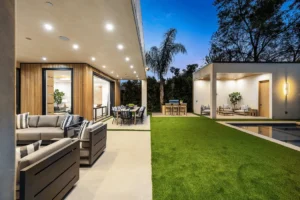
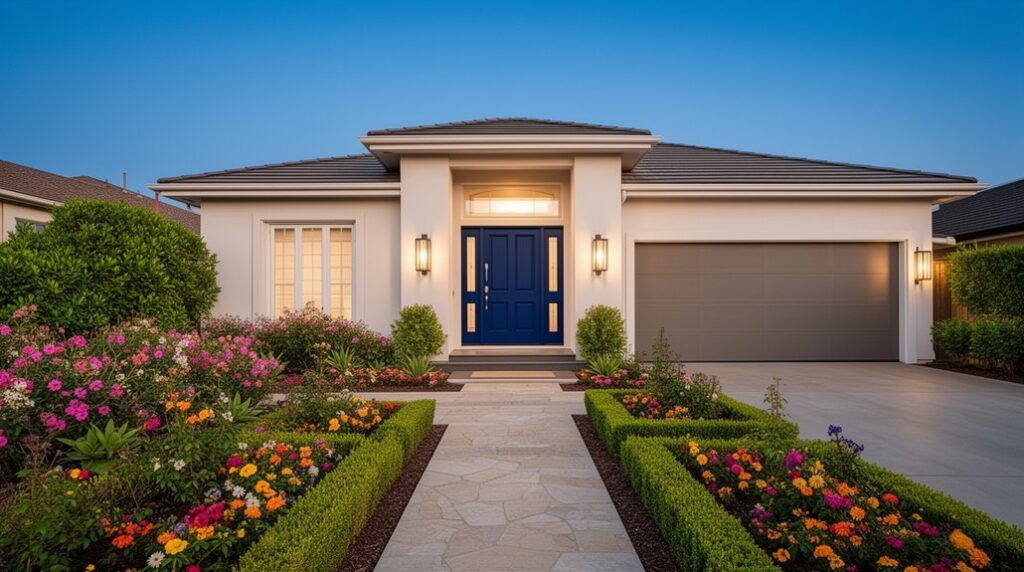
Exterior upgrades that add real value start with what buyers notice and inspectors flag: replace your entry or garage door, repair or refresh siding and trim, and fix roofing, flashing, gutters, and drainage to prevent water damage. Upgrade to double-pane low‑E windows where it counts, and add manufactured stone veneer for high-visibility curb appeal. Then knock out low-cost wins—pressure washing, LED lighting, crisp house numbers, and fresh mulch—to signal great maintenance. Up next, you’ll see which projects pay back fastest on your budget.
Key Takeaways
- Replace entry and garage doors with midrange steel or fiberglass models to boost curb appeal and recoup strong resale value.
- Upgrade aging windows to double-pane low‑E units to improve efficiency, comfort, and buyer appeal.
- Repair or refresh siding and trim on visible elevations with crisp caulk lines and neutral, high-contrast paint for a well-maintained look.
- Add manufactured stone veneer or other tasteful façade accents to create a premium first impression and increase perceived value.
- Prevent water damage by fixing roofing/flashing, cleaning gutters, and extending downspouts to move water away from the foundation.
Top Exterior Upgrades With the Highest ROI
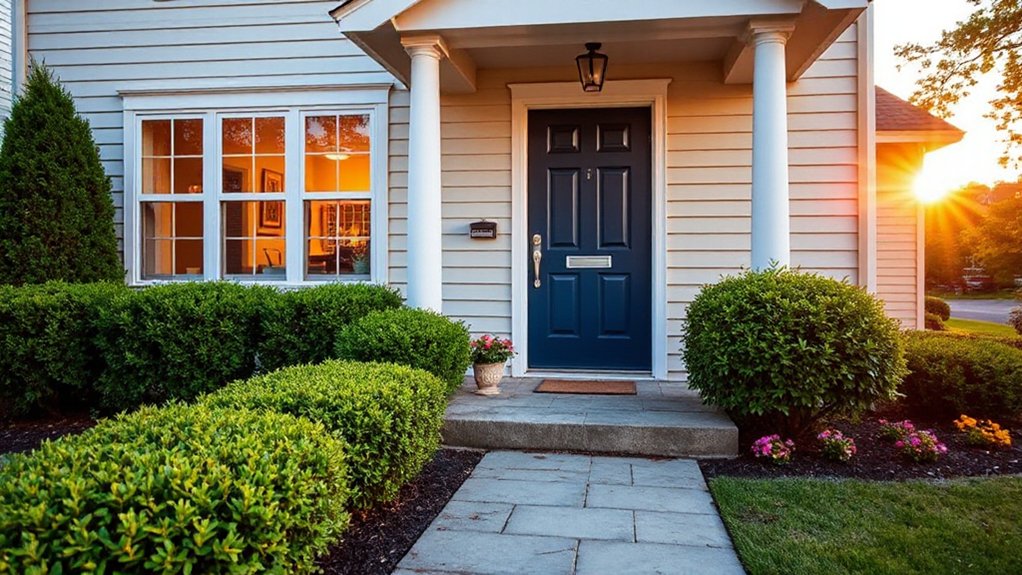
A handful of exterior projects consistently deliver the strongest return because they improve first impressions and reduce perceived maintenance risk. You’ll usually see the best ROI from entry door replacement, garage door replacement, and manufactured stone veneer—often recouping a large share of costs at resale while tightening your home’s look.
You can also boost curb appeal with siding refreshes and trim repairs, especially when the exterior material looks dated or mismatched. If you choose fiber-cement or vinyl in neutral tones, you signal durability and lower upkeep.
Add a midrange deck or patio only if your market values outdoor living; keep the footprint modest to protect margins. Finish with pressure washing, fresh house numbers, and exterior lighting upgrades—low cost, fast payback, and fewer buyer objections.
How to Choose Exterior Upgrades for Your Budget
If you’re trying to stretch a fixed budget, start by ranking exterior projects by ROI, urgency, and visibility—then fund them in that order. Use Budget planning to cap total spend (typically 1%–3% of home value annually) and reserve 10% for surprises like rot or code fixes.
Next, price projects in “all-in” terms: permits, disposal, labor, and warranty.
Let condition data drive choices: prioritize water intrusion, failing roofing, or deteriorated siding before cosmetic swaps, because deferred damage compounds costs.
For material selection, compare lifecycle cost, not sticker price—fiber-cement and composite often beat cheap wood once repainting and repairs are included.
Finally, bundle trades to cut mobilization fees, and request itemized bids so you can scale scope without losing quality control.
Quick Curb Appeal Exterior Upgrades (Weekend Wins)
If you want a fast curb-appeal bump without a big spend, start with your front door and your outdoor lighting—two changes buyers notice first.
You can repaint or swap hardware on the door for a modest cost, then install brighter, efficient LED fixtures to improve visibility and perceived security.
You’ll finish both in a weekend and create an exterior that looks newer, cleaner, and better maintained.
Refresh Front Door
Because buyers often decide how they feel about a home within seconds of arrival, invigorating your front door delivers one of the highest curb-appeal returns for the lowest weekend cost.
A fresh coat of exterior paint or stain typically runs $40–$80 in materials and can be done in a day, yet it makes the entry read “well-maintained” from the street. Start by cleaning and lightly sanding, then fill dings, prime bare spots, and paint with a durable exterior enamel.
Swap dated hardware for a modern handle set ($60–$200) and add a new house-number plaque ($15–$40) for crisp wayfinding.
Replace cracked weatherstripping ($10–$25) to tighten the seal and reduce drafts.
Finish by polishing glass and straightening the threshold for a clean, confident close.
Upgrade Outdoor Lighting
Once your front door looks sharp, outdoor lighting is the fastest way to make that upgrade read well after sunset. You’ll boost perceived safety and curb appeal in a single weekend, often for $150–$500 in fixtures plus bulbs.
Swap dated sconces for LED models (look for 800–1,200 lumens and 2700–3000K), and add a motion sensor at the garage to cut wasted runtime.
For landscape illumination, keep it simple: two path lights to guide guests, and one uplight to highlight a tree or façade detail. Aim fixtures downward to reduce glare and keep light off neighbors.
Use a low-voltage kit if you’re DIYing; it’s safer, scalable, and typically pays back in lower energy use.
Energy-Saving Exterior Upgrades Buyers Notice
If you want upgrades buyers can quantify, focus on exterior changes that cut utility bills and reduce maintenance risk.
You’ll get the most visible payoff from high-performance window replacements, a cool roof paired with added insulation, and efficient exterior lighting that lowers wattage without sacrificing safety.
These improvements often show up in energy audits, listing notes, and monthly cost comparisons, so you can justify the spend with numbers.
High-Performance Window Replacements
While fresh paint or new landscaping can boost curb appeal, high-performance window replacements deliver measurable value by lowering energy bills and signaling lower maintenance to buyers.
If your panes are single-glazed or drafty, upgrading to double- or triple-pane, low-E units can cut heat loss and solar gain, reducing HVAC runtime and monthly costs. You’ll also improve comfort by eliminating cold spots and condensation, a common inspection red flag.
For sun-facing rooms, add solar screens to reduce glare and keep interiors cooler without remodeling. If your budget allows, smart glass can tint on demand, helping manage peak-hour heat while preserving views.
Choose ENERGY STAR-rated products, verify U-factor and SHGC, and price the project per opening so your ROI stays predictable.
Cool Roof And Insulation
Because roofing drives a large share of heat gain, a cool roof paired with targeted insulation upgrades can lower summer cooling loads and show buyers you’ve controlled operating costs, not just improved looks.
Choose high-reflectance shingles or membrane rated by CRRC; many projects cut roof surface temps by 50°F and can trim cooling energy about 10–15% in hot climates.
Your exterior color matters: lighter, reflective finishes generally perform better, so price out coatings if replacement isn’t due.
Add solar shading with vented soffits and ridge vents to reduce attic heat buildup, then seal penetrations and top up attic insulation to code-plus levels (often R-49 to R-60).
Keep receipts and specs; buyers pay more for measurable efficiency and warranties.
Efficient Exterior Lighting
How much value can you squeeze from a simple swap to LED exterior lighting? Start with the math: LEDs use about 75% less energy and last up to 25x longer than incandescents, so you cut utility and replacement costs fast.
Focus on high-visibility zones—front entry, garage, and pathways—because buyers notice safety and curb appeal first. Add dusk-to-dawn photocells or motion sensors to trim wasted runtime without sacrificing security.
If wiring upgrades feel pricey, consider solar integration for path lights or wall sconces; you’ll reduce installation labor and show off low-maintenance efficiency.
Use warmer color temperatures (2700K–3000K) to flatter siding and highlight outdoor art without glare. Document fixture specs and warranties for listing photos too.
Siding, Paint, and Trim Upgrades That Add Value
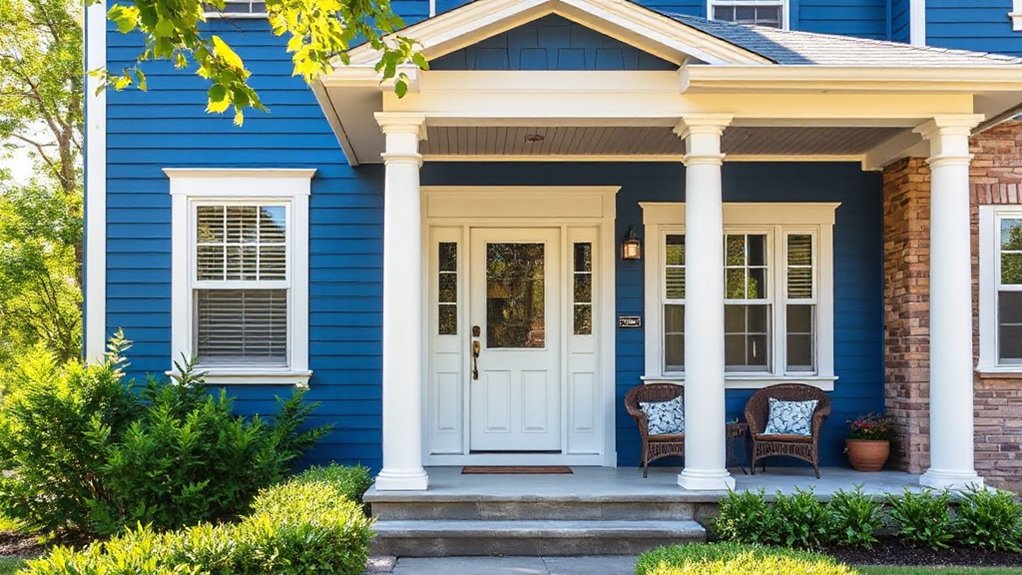
When you want an exterior upgrade that buyers notice immediately, start with your home’s “skin”—siding, paint, and trim—since these finishes drive curb appeal and protect the structure at the same time.
If your siding is faded or warped, replacing only the most visible elevations can cut costs while still lifting perceived condition. Compare siding styles to match your neighborhood’s price point: clean lap profiles and simple board-and-batten often photograph best and avoid “custom” upcharges.
Choose paint colors based on resale data: neutral body shades with high-contrast, crisp trim routinely outperform bold schemes in buyer surveys. Prep matters more than premium paint—scrape, prime, and seal joints to prevent peel-backs.
Finish with new trim boards and caulk lines to make everything read “maintained,” not “renovated.”
Roof, Gutters, and Drainage Upgrades That Pay Back
Although buyers may not climb a ladder, they *will* discount your home fast if the roofline looks tired or the yard shows drainage issues, so roof, gutter, and water-management upgrades often protect value as much as they add it.
Start with Roof maintenance: replace missing shingles, reseal flashing, and address soft decking before leaks spread. A minor repair is cheap; a neglected leak can trigger mold and drywall replacement.
Schedule gutter cleaning twice a year and add gutter guards only if trees make clogs constant; clogged gutters dump water at the foundation and stain siding.
Extend downspouts 6–10 feet, regrade soil to slope away, and install splash blocks or a basic French drain where puddles persist. These fixes reduce moisture risk and inspection objections, supporting a stronger offer.
Doors and Windows: Exterior Upgrades Worth Splurging On
Because buyers judge a home in seconds, your front door and window package can swing perceived value fast—and the numbers back that up: midrange entry-door replacements and vinyl-window swaps routinely rank among the best ROI exterior projects, often returning a large share of their cost at resale while also cutting drafts and noise.
Spend where it shows and performs. Choose an insulated steel or fiberglass door with a quality lockset; add Smart security (keypad, camera doorbell) to raise confidence without a huge remodel.
For windows, prioritize consistent style, low‑E glass, and tight installation over premium frames you won’t recoup. If your budget’s tight, replace the worst units first—front elevation and bedrooms.
Finish with simple trim refreshes and decorative shutters only if they fit the architecture; mismatched add-ons read cheap.
Landscaping, Walkways, Patios, and Fences That Sell
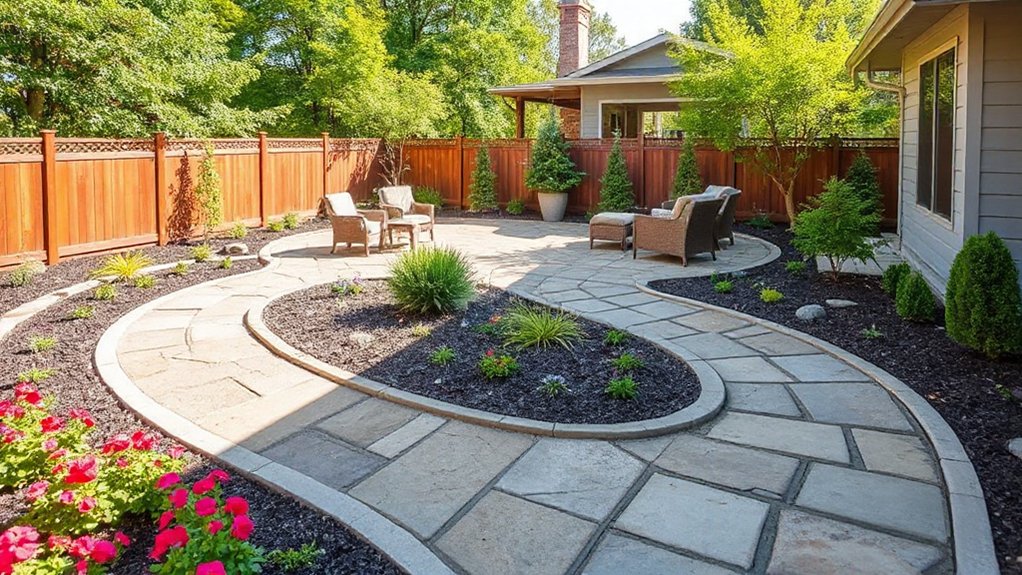
Even if you don’t touch the inside, sharp landscaping and hardscaping can raise perceived value quickly by making the property look cared for and “move‑in ready.” Focus on low-cost, high-impact basics: clean edges, fresh mulch, trimmed shrubs, and a simple planting plan that won’t die in a week—then upgrade the path to the front door with level pavers or a repaired walkway so buyers don’t see trip hazards.
Choose native plants to cut watering and replacement costs, and group them for a tidy, intentional look. Power-wash patios and re-sand joints; small fixes read as “maintained,” not “deferred.”
If you add a fence, prioritize straight lines, secure posts, and a consistent stain—privacy sells, but sloppy install scares inspectors. Finish with subtle outdoor artworks or lighting to guide the eye without overpersonalizing.
Frequently Asked Questions
Do Exterior Upgrades Affect My Home’s Insurance Premiums or Coverage Requirements?
Yes—exterior upgrades can change your home’s insurance premiums and coverage requirements. Your insurer recalculates replacement cost, so higher-value materials can raise premiums.
While risk-reducing features (impact-rated roof, security lighting) may earn discounts—often 2–10% depending on carrier.
For Insurance impact, report upgrades and keep receipts.
For Coverage considerations, confirm limits match the new rebuild cost, update endorsements (roof, detached structures), and verify code-upgrade coverage.
What Permits or HOA Approvals Are Needed Before Starting Exterior Improvements?
Before you start swinging hammers, you’ll need to check local permit requirements and secure HOA approval if you’re in a managed community.
Picture the curb, the fence line, the roof edge—each change can trigger review.
Typical permits cover structural work, roofing, decks, electrical, plumbing, and major landscaping or grading.
HOAs often require color, material, and setback plans.
Call your building department first; it saves rework and fees.
Which Exterior Upgrades Could Trigger Higher Property Taxes After Reassessment?
You’ll often see higher property taxes after reassessment when you add square footage (room additions, enclosed patios), build a pool, install a new deck, or upgrade to premium siding/roofing that boosts assessed value.
Major structural hardscapes can count too, depending on your assessor’s rules.
Even big Landscaping costs and permanent Exterior lighting can raise valuations if they’re treated as capital improvements.
Keep receipts and verify what’s taxable locally.
How Do I Choose a Contractor and Verify Licenses, Bonds, and Warranties?
Start by getting 3–5 bids, then vet contractor reputation with recent references and permit history.
Verify your contractor’s license on your state board site, confirm bond and insurance certificates match the job value, and call the insurer to validate.
Require written warranties for labor and materials, plus start/finish dates and change-order pricing.
Use material selection specs in the contract so substitutions can’t inflate costs or reduce performance.
Should I Disclose Exterior Renovations When Selling, and What Documents Help?
By your quill and ledger, yes—you should disclose exterior renovations when you sell, because non-disclosure can trigger price concessions or legal claims. You’ll protect yourself and support your asking price by keeping permits, final inspections, paid invoices, contractor warranties, product specs, and before/after photos.
For Landscaping aesthetics and curb appeal enhancements, add receipts, plant lists, irrigation diagrams, and maintenance logs.
Practical tip: store everything in a dated PDF folder for quick buyer review.
Conclusion
When you pull up to your home, you want buyers to see a crisp roofline, clean gutters, and fresh trim catching the light—not deferred maintenance. Start where ROI is strongest: entry door, paint, and siding touch-ups, then tighten the envelope with efficient windows and sealed gaps to cut bills. Finish with simple landscaping, a straight walkway, and tidy fencing. You’re not just spending—you’re converting dollars into appraisal-friendly curb appeal.