How Interior Design Transforms a House Into a Functional Luxury Home
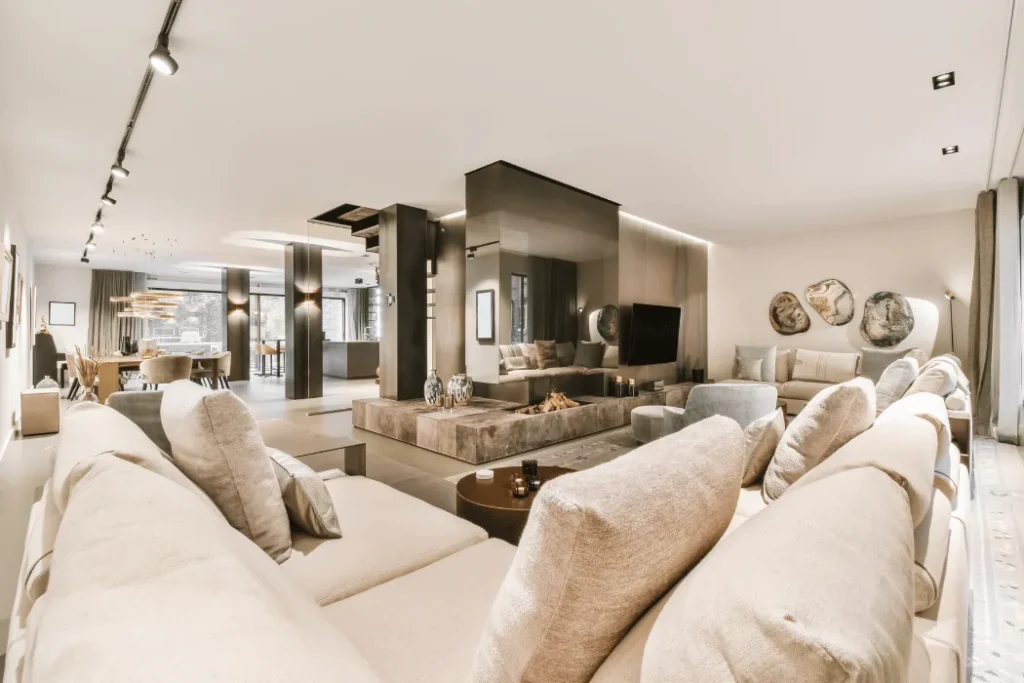
Interior design has evolved far beyond simple decoration. Today, it plays a major role in shaping how people live, work, relax, and experience their homes every day. A well-designed interior is not only visually attractive but also highly functional, comfortable, and tailored to the lifestyle of the homeowner. Luxury living is no longer defined only by expensive furniture or large spaces. True luxury comes from thoughtful design, intelligent planning, and the ability to create a home that feels both elegant and practical.
Professional interior design transforms ordinary houses into refined living spaces where beauty and functionality work together seamlessly. Every detail, from lighting and furniture placement to colour palettes and materials, contributes to creating an environment that enhances both comfort and quality of life. Whether designing a modern apartment, a family home, or a luxury property, interior design helps maximise a property’s full potential while reflecting the homeowner’s personality and needs.
Understanding Functional Luxury in Interior Design
Functional luxury is the balance between sophisticated aesthetics and everyday practicality. While luxury interiors are often associated with premium finishes and elegant styling, functionality ensures the space remains comfortable, efficient, and easy to live in.
A functional luxury home is carefully planned to support daily living while maintaining a polished and timeless appearance. This means every design choice serves a purpose. Storage solutions are integrated seamlessly into the design, layouts improve movement throughout the home, and lighting enhances both ambience and usability.
Modern homeowners increasingly value spaces that look beautiful without sacrificing convenience. Open-plan layouts, multi-functional furniture, and efficient use of space are now central elements of luxury interior design. A home should not only impress visually but also improve how people experience their everyday routines.
The Importance of Space Planning
One of the most important aspects of interior design is space planning. Even the most luxurious materials and furniture cannot compensate for a poorly designed layout. Effective space planning ensures that every area within the home is functional, balanced, and comfortable.
Interior designers carefully analyse how each room will be used before making design decisions. This includes understanding traffic flow, natural lighting, furniture proportions, and the relationship between spaces. Proper planning allows rooms to feel open, organised, and inviting rather than overcrowded or impractical.
For example, in a luxury kitchen, functionality is just as important as appearance. Appliances must be positioned efficiently, storage should remain easily accessible, and workspaces should support everyday use while maintaining a sophisticated look. Similarly, living areas should encourage comfort and social interaction without feeling cluttered.
Good space planning also helps maximise smaller properties. Through intelligent layouts, built-in storage, and strategic furniture placement, designers can make compact homes feel significantly larger and more luxurious.
Creating Atmosphere Through Lighting
Lighting is one of the most powerful tools in interior design. It has the ability to completely transform the mood, functionality, and visual appeal of a home. A carefully planned lighting scheme creates warmth, highlights architectural features, and enhances the overall design aesthetic.
Luxury interiors often combine multiple layers of lighting to achieve both functionality and ambience. Ambient lighting provides general illumination, task lighting supports specific activities, and accent lighting draws attention to artwork, textures, or design features.
Natural light is equally important in creating functional luxury spaces. Large windows, glass doors, and open layouts allow sunlight to enhance interiors naturally while creating a stronger connection between indoor and outdoor living spaces.
Well-designed lighting not only improves aesthetics but also affects emotional wellbeing. Bright, balanced spaces feel more welcoming, comfortable, and relaxing. Interior designers understand how to use lighting strategically to create different moods throughout the home while supporting practical daily activities.
Choosing Materials and Finishes
Luxury interior design places significant emphasis on the quality of materials and finishes. Premium materials not only improve visual appeal but also increase durability and long-term value. However, selecting the right materials involves more than choosing expensive options. The goal is to create a balanced and cohesive environment that feels elegant and timeless.
Natural materials such as stone, wood, marble, and textured fabrics are commonly used in luxury interiors because they add warmth, character, and sophistication. High-quality finishes contribute to the overall sensory experience of a home, making spaces feel more refined and comfortable.
Durability is also a major consideration. Functional luxury interiors are designed to withstand everyday living while maintaining their appearance over time. This is especially important for flooring, kitchen surfaces, upholstery, and frequently used spaces.
A professional interior designer carefully selects materials that complement the property’s architecture, lifestyle requirements, and design vision. The result is a home that feels luxurious without appearing excessive or impractical.
Personalisation and Lifestyle Design
One of the defining features of exceptional interior design is personalisation. Every homeowner has unique preferences, routines, and lifestyle needs. Interior design helps translate those individual characteristics into functional and meaningful living spaces.
A personalised home feels comfortable because it reflects the people who live there. Designers consider everything from family dynamics and entertainment habits to work-from-home requirements and storage needs. This allows the space to function efficiently while maintaining a distinctive identity.
Luxury design is no longer about creating spaces that simply look impressive. Instead, modern luxury focuses on creating environments that support wellbeing, comfort, and personal enjoyment. Whether through calming colour palettes, custom furniture, or thoughtfully designed relaxation areas, personalised interiors enhance daily living experiences.
Interior design also helps create emotional connections within a home. Spaces that feel balanced, organised, and visually harmonious contribute positively to mood and mental wellbeing. A carefully curated environment can make everyday life feel more relaxing and enjoyable.
Increasing Property Value Through Interior Design
Professional interior design can significantly increase the value of a property. Homes with well-designed interiors often attract greater buyer interest and achieve higher market prices because they appear more desirable, modern, and move-in ready.
Features such as updated layouts, premium finishes, efficient storage solutions, and cohesive design aesthetics make properties stand out in competitive markets. Buyers are often willing to pay more for homes that feel thoughtfully designed and professionally presented.
Interior design also improves long-term investment potential by ensuring the property remains stylish and functional over time. Timeless design choices help prevent interiors from feeling outdated quickly, reducing the need for frequent renovations.
For property investors, interior design can increase rental appeal and overall return on investment. Attractive, functional interiors create stronger first impressions and improve the perceived value of the property.
Conclusion
Interior design is far more than a decorative process. It is a powerful tool that transforms houses into functional luxury homes designed for modern living. Through intelligent space planning, carefully selected materials, strategic lighting, and personalised design solutions, interior design creates environments that combine beauty, comfort, and practicality.
A truly luxurious home is not defined solely by its size or cost but by how effectively it supports everyday life while maintaining elegance and sophistication. Professional interior design enhances the overall living experience, improves property value, and creates spaces that homeowners can genuinely enjoy for years to come.
As modern lifestyles continue to evolve, the demand for functional luxury interiors will only continue to grow. Homes that successfully balance aesthetics with usability offer lasting value, emotional comfort, and timeless appeal, making interior design one of the most valuable investments any homeowner can make.