Table of Contents
Key Takeaways
- Victorian homes for sale in the UK represent one of the most enduringly popular property categories — built between 1837 and 1901, they offer a combination of space, character, and solid construction that modern new build cannot replicate, and they hold their value well across market cycles.
- The best UK towns for Victorian property combine large surviving stocks of period housing — where the Luftwaffe and the 1960s town planners left the Victorian streetscape relatively intact — with strong local demand that supports long-term values.
- Bristol, Hove, Sheffield, Liverpool, Harrogate, Nottingham, Cardiff, Manchester, Leeds, and South London together contain the most extensive and architecturally distinguished Victorian housing stocks in Britain outside the prime central London market.
- Victorian property prices vary enormously by location — from entry-level two-bedroom terraces below £150,000 in parts of Liverpool and Sheffield to double-fronted villas above £1 million in Hove, Bristol’s Clifton, and prime South London conservation areas.
- The Victorian era produced several distinct house types — the terraced workers’ cottage, the bay-fronted semi, the imposing villa, and the Gothic-influenced rectory and school — and each type carries different survey requirements, different renovation cost profiles, and different buyer competition dynamics.
- Conservation area designation protects the character of the best Victorian streetscapes across all the towns covered here, but it also restricts certain permitted development rights and requires specific approaches to external alterations — buyers must understand the planning implications before purchasing.
Why Victorian Homes Remain the Most Sought-After Period Property in the UK
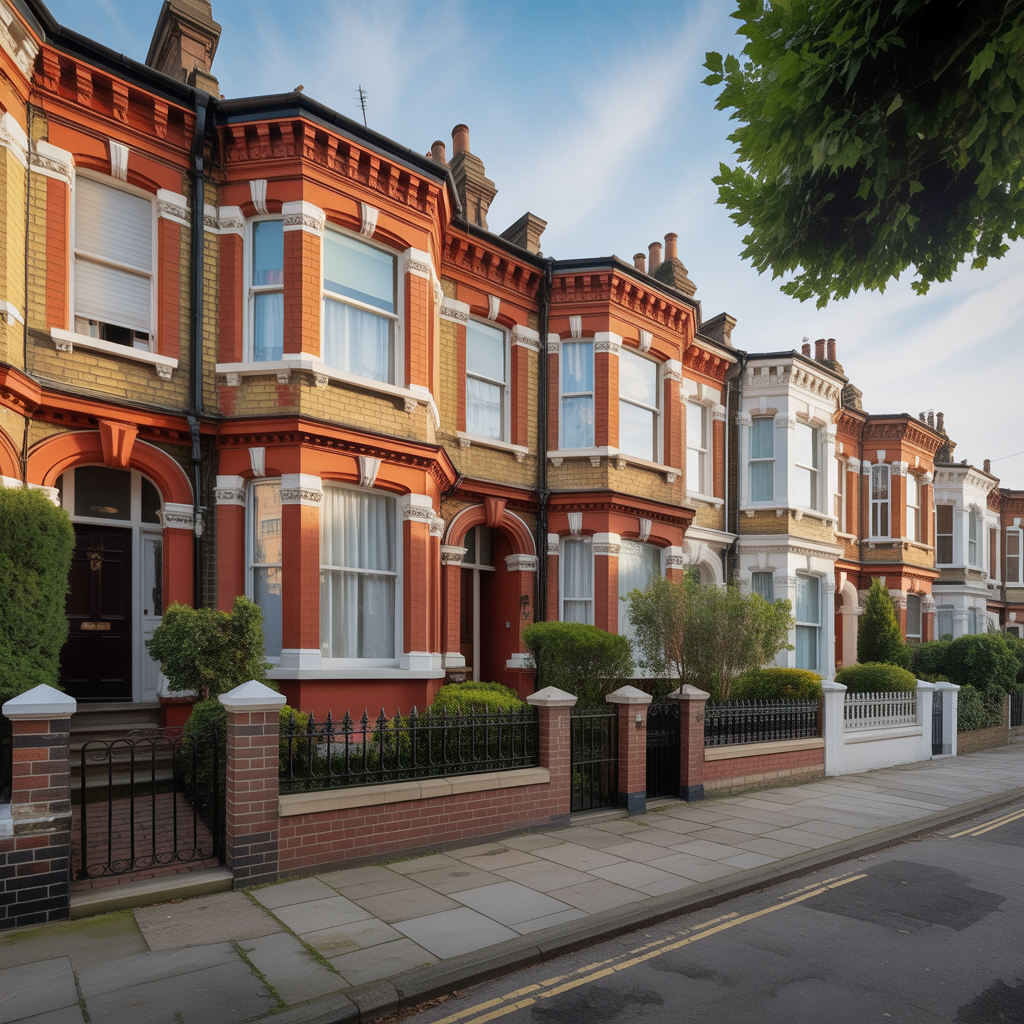
The reign of Queen Victoria — from 1837 to 1901 — produced more residential housing than any comparable period in British history. The combination of rapid industrialisation, massive urban population growth, the expansion of the railways, and the emergence of a substantial middle class all drove an unprecedented construction boom that shaped the built fabric of every major British town and city. The terraced streets, bay-windowed semis, Gothic-influenced villas, and grand double-fronted family homes of the Victorian era remain the dominant feature of most UK urban residential landscapes.
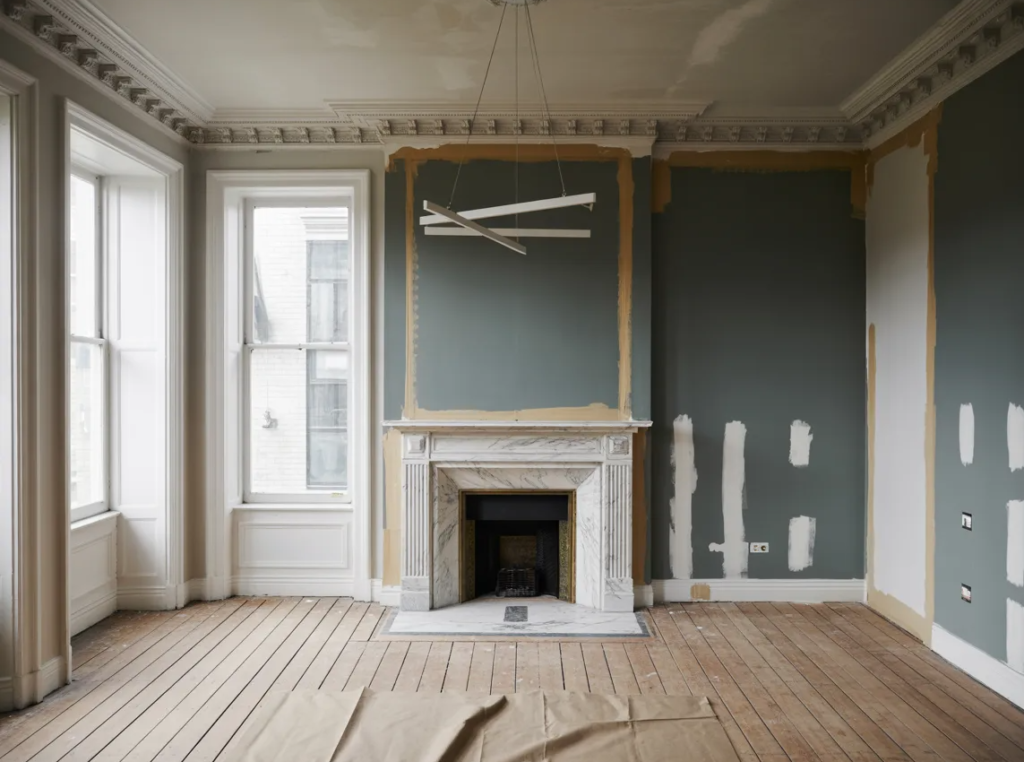
Victorian homes for sale attract buyers across every price bracket and lifestyle profile for reasons that have remained consistent across decades. The room proportions — high ceilings, large windows, generous floor-to-ceiling heights — create a sense of space and light that is almost impossible to achieve in post-war or modern housing of equivalent floor area. The period features — original fireplaces, ceiling roses and cornicing, sash windows, tiled hallways, and decorative brickwork — provide a richness of architectural detail that gives these homes genuine warmth and individuality. And the quality of construction — solid brick walls, engineered timber floors, substantial roof structures — means that properly maintained Victorian housing is genuinely built to last.
The towns in this guide each contain exceptional Victorian housing stocks and represent the best places to focus a Victorian property search in 2026.
1. Bristol
Bristol contains one of the most architecturally varied and celebrated Victorian housing stocks in England — and the broader period heritage of the city, from the Georgian terraces of Clifton to the distinctive Bristol Byzantine warehouses and the Victorian villa suburbs of Redland and Cotham, gives it a richness of period built environment that few English cities can match.
The Victorian suburbs north of the city centre — Redland, Cotham, Bishopston, St Andrews, and Montpelier — contain street after street of well-proportioned bay-fronted terraces, imposing villas, and double-fronted semis that represent the core of Bristol’s Victorian residential market. Prices in these areas are firmly mid-market by Bristol standards: a well-presented three-bedroom Victorian terrace in Bishopston or Redland typically requires a budget of £450,000–£650,000, with larger properties and those in the most sought-after streets reaching above £800,000.
Clifton itself — though predominantly Georgian in character — contains significant Victorian villa stock on the streets above the gorge, and the Clifton Conservation Area designation protects the architectural character of this exceptional neighbourhood. For buyers seeking the grandest Victorian villas, the streets of Clifton Wood, the Hotwells waterfront area, and the Victorian townhouses of Kingsdown offer distinctive alternatives to the mainstream Redland market.
Bristol’s Victorian terraces — particularly in Montpelier, St Werburghs, and St Pauls — are also among the most actively traded in the UK. The city’s young professional population, university presence, and active arts and tech scene create consistent demand that keeps voids short and values supported.
2. Hove, East Sussex
Hove contains some of the finest surviving Victorian residential architecture in England — and the combination of sea air, proximity to Brighton, and the extraordinary quality of its best streets has made it one of the most sought-after Victorian property markets in Britain. The long straight roads running north from the seafront — New Church Road, Sackville Road, Goldstone Vickery Road, and the streets around Hove Park — contain double-fronted and bay-fronted Victorian villas of exceptional proportions and character.
The Nightingale Square area and the roads around Holland Road represent Hove’s most distinguished Victorian housing, with properties on the finest squares offering above 3,000 square feet across four or five floors. Prices at this level start comfortably above £1 million and reach to several million for the grandest examples in original condition.
At the more accessible end of the Hove Victorian market, the north-south streets beyond the station — Nizells Avenue, Cromwell Road, and the Victorian semis of the Church Road corridor — offer substantial period homes at prices that, while above the national average, represent genuine value for the quality of the architecture. Three and four-bedroom Victorian semis in these areas typically range from £650,000 to £900,000 in good order.
The Brighton and Hove City Council Conservation Area covers significant portions of Hove’s Victorian streets, carrying the usual implications for external alterations and the specific requirement for planning consent for certain works that would be permitted elsewhere.
3. Sheffield
Sheffield’s Victorian housing stock is among the most underestimated and best-value in England. The city’s extraordinary topography — built across a series of deep river valleys and steep hillsides — meant that its Victorian suburbs developed in highly distinctive patterns, with terraces stepping up hillsides and villa suburbs commanding sweeping valley views that are genuinely spectacular.
The areas of Nether Edge, Broomhill, Walkley, and Crookes contain densely packed Victorian streets — predominantly stone rather than brick, reflecting the local geology — that offer family homes of substantial scale at prices that would be genuinely extraordinary elsewhere in England. A double-fronted stone Victorian terrace in Nether Edge of 2,800 square feet might be listed at £650,000–£700,000; an equivalent property in Bristol or Hove would command a significantly higher price.
Ranmoor and Fulwood, in the western suburbs, represent Sheffield’s most prestigious Victorian and Edwardian residential addresses — leafy streets of large detached villas set above the Mayfield Valley, within reach of the Peak District National Park and the city’s grammar school catchments. These properties reach into the £700,000–£1 million range for substantial detached villas in good order.
For buyers who prioritise value, the Victorian terraced streets of Walkley, Heeley, and the Sharrow area offer two and three-bedroom stone period terraces from £200,000–£350,000 — some of the most accessible genuine Victorian housing in the UK for the quality of construction and proportions on offer.
4. Liverpool
Liverpool’s Victorian architecture is extraordinary — and the city’s Georgian Quarter, Toxteth, and the Victorian residential suburbs of Aigburth, Wavertree, and Mossley Hill contain some of the finest period housing stocks in Britain. The city escaped the worst of the 1960s comprehensive redevelopment that destroyed so much Victorian housing elsewhere, and the result is an exceptionally intact period townscape that is increasingly recognised and valued.
The Georgian Quarter — centred on Falkner Street, Canning Street, and the restored terraces of the Hope Street corridor — contains Grade II listed Georgian townhouses of genuine national significance, many now sympathetically restored. The boundary between the Georgian and the Victorian is fluid in this area, and buyers focused specifically on Victorian housing will find the richest stock in Toxteth and the southern suburbs.
Aigburth, Mossley Hill, and Allerton — the prosperous Victorian and Edwardian suburbs to the south of the city — contain substantial detached and semi-detached villa properties of excellent quality at prices that consistently offer value relative to comparable stock elsewhere in England. Three and four-bedroom Victorian semis in Mossley Hill typically range from £250,000–£450,000; larger detached villas in the most prestigious roads reach above £600,000.
For entry-level Victorian purchasing, parts of Toxteth and Wavertree offer two-bedroom terraced Victorian housing at accessible prices — genuine period properties with original features that reward renovation investment and have historically shown strong appreciation as neighbourhoods develop.
The Liverpool World Heritage Site designation — covering the waterfront and maritime mercantile city — and the city’s numerous conservation areas all carry planning implications for Victorian properties within their boundaries. The outstanding ONS Liverpool local housing data shows an average house price of approximately £179,000 — exceptional value context for what the market offers.
5. Harrogate, North Yorkshire
Harrogate’s Victorian housing stock is inseparable from the town’s identity as a spa destination — the wealth generated by Victorian visitors taking the waters was directly invested in the residential terraces, villas, and grand hotels that define the town’s character to this day. The result is a Victorian built environment of unusual quality and refinement, set in a town that consistently ranks among the most desirable places to live in Britain.
The streets around Valley Gardens, West Park, and the Cold Bath Road corridor contain Victorian terraces and villas of exceptional proportions — built for the prosperous Victorian middle class who came to Harrogate and stayed, or who chose it as their permanent base in preference to the industrial cities nearby. A Victorian family villa of six or seven bedrooms within walking distance of Harrogate station and Valley Gardens might be available from £800,000 to above £1 million.
At the more accessible end, Victorian terraces in the streets behind the town centre and around the Duchy Estate offer three and four-bedroom family homes from £400,000–£650,000. Harrogate’s grammar school catchment — Harrogate Grammar School — is a consistent driver of family buyer demand that keeps values robust in the best Victorian streets.
6. Nottingham
Nottingham has a substantial and remarkably intact Victorian housing stock, concentrated primarily in the inner and middle suburbs that developed rapidly in the second half of the 19th century as the lace industry, bicycle manufacturing, and pharmaceutical businesses generated prosperity for a growing middle class.
The Victorian suburbs of The Park Estate, Forest Fields, Mapperley, and the streets around Arboretum contain well-preserved period housing of good quality. The Park Estate is of particular note — a private Victorian residential estate of some 450 homes laid out in the 1850s, with its own gates and road structure, that represents one of the most complete Victorian planned residential developments surviving in England. Properties on The Park Estate typically range from £400,000 for smaller houses to well above £1 million for the grandest villas.
Beyond The Park Estate, the Victorian terraces of Forest Fields, Mapperley Park, and the Lenton area offer accessible period housing at prices that reflect Nottingham’s status as one of the more affordable major cities in the East Midlands. Two and three-bedroom Victorian terraces in these areas can be found from £150,000–£280,000, representing some of the best value genuine Victorian housing in England.
7. Cardiff
Cardiff’s Victorian housing stock is concentrated in the prosperous suburbs that developed as the coal-export economy made the city one of the wealthiest in Britain during the late 19th century. Pontcanna, Roath, and the Canton and Cathays areas contain extensive Victorian terraces of good quality — Cardiff Bay’s waterfront redevelopment has been separately transformative, but it is the Victorian inner suburbs that define the residential character of the city.
Pontcanna in particular has emerged as Cardiff’s most fashionable Victorian address — tree-lined streets of bay-fronted Victorian and Edwardian terraces and semis, within easy reach of both the city centre and Bute Park, and with an excellent independent restaurant and café scene. Victorian three-bedroom terraces in Pontcanna typically range from £350,000–£550,000; the most substantial double-fronted semis reach above £700,000.
Roath and the streets around Roath Park offer a similar Victorian character at slightly more accessible prices, and the conservation area status of large parts of these suburbs — under the Cardiff Council Conservation Areas register — protects the streetscape character that makes them desirable.
Note that in Wales, planning policy is governed by Planning Policy Wales rather than the English framework, and Welsh Government guidance on conservation areas and listed buildings has specific requirements that buyers’ solicitors should be familiar with.
8. Manchester and the Greater Manchester Suburbs
Manchester’s Victorian suburbs — predominantly in the south and west of the conurbation — contain some of the finest Victorian residential architecture in northern England, built by the cotton merchants, manufacturers, and professionals who drove one of the most extraordinary urban expansions in Victorian Britain.
Didsbury, Chorlton, Whalley Range, Hale, and Victoria Park in Rusholme collectively represent the most sought-after Victorian residential addresses in Greater Manchester. Victoria Park is of particular historical significance — a private estate of Victorian villas developed in the 1830s and 40s that was home to some of Manchester’s most prominent Victorian citizens, now largely given over to university use but with significant surviving residential stock.
Didsbury and Chorlton are the most actively traded Victorian markets in Greater Manchester, combining substantial Victorian semis and terraces with a genuine community character, good schools, and easy tram connectivity to the city centre. Victorian three and four-bedroom semis in Didsbury typically range from £450,000–£750,000. Hale, in Trafford, offers the grandest Victorian villas at prices that reflect its positioning as one of the most prestigious addresses in the North West.
9. Leeds
Leeds’s Victorian suburbs — Headingley, Chapel Allerton, Roundhay, Horsforth, and Alwoodley — contain well-preserved Victorian and Edwardian residential housing that has benefited from consistent demand from the city’s large professional and university population.
Headingley in particular is one of the most active Victorian property markets in Yorkshire — the streets around Cardigan Road, Ash Road, and the cricket ground contain Victorian terraces and semis of good quality that are consistently traded by buyers drawn to the area’s combination of period character, the convenience of the Headingley retail strip, and easy access to the city centre by bus or cycle. Two and three-bedroom Victorian terraces in Headingley range from £250,000–£400,000; larger properties and the double-fronted semis of the better roads exceed this.
Chapel Allerton — north of the city centre — has a slightly more affluent and diverse character, with Victorian streets that have regenerated strongly over the past decade. Roundhay, further east, contains some of the grandest Victorian and Edwardian detached villas in Leeds, overlooking Roundhay Park’s 700 acres and commanding prices above £500,000 for substantial family homes.
10. South London: Clapham, Battersea, and Peckham
South London contains the densest concentration of Victorian housing in Britain — street after street of terraced and semi-detached Victorian homes stretching from the river south through Battersea, Clapham, Brixton, Peckham, Herne Hill, and beyond. The specific character of the South London Victorian terrace — brick-built, bay-fronted, with a substantial rear garden — has made it one of the most consistently sought-after property types in the UK, and its market is correspondingly active and competitive.
Clapham’s Victorian streets — those radiating from Clapham Common — contain some of the finest Victorian terraces in London, and prices reflect their desirability: well-presented Victorian terraces of three or four bedrooms in the streets around Northcote Road and Abbeville Road regularly trade above £1 million. Battersea’s Victorian stock — particularly in the residential streets around Battersea Park — is similarly premium-priced.
Peckham and Herne Hill offer the South London Victorian character at more accessible prices, with substantial Victorian terraces available from £600,000–£800,000 in streets that retain original features and genuine architectural quality. These are active, competitive markets with strong transport connectivity into the City and West End.
Conservation area designations cover much of South London’s best Victorian housing — the Historic England National Heritage List and the relevant London Borough conservation area registers should be checked for any specific property before committing to purchase.
What to Know Before Buying a Victorian Home
Survey Requirements
A full RICS Level 3 Building Survey is the appropriate standard for any Victorian property. Key areas of focus specific to Victorian construction include: damp in solid brick walls, which are not cavity-constructed and cannot exclude moisture in the way modern walls do; the condition of original timber floors, which can carry woodworm, dry rot, or wet rot in areas of poor ventilation.
Pay attention to chimney and flue condition, particularly for any stack that has been redundant for a period; roof structure and covering; and the state of the original sash windows and external joinery. Original features that are intact and in good condition — fireplaces, cornicing, tiled hallways — add value; those that have been removed or damaged by poor previous renovations subtract from it.
EPC Ratings and Energy Performance
Victorian homes with solid brick walls and single-glazed sash windows typically carry EPC ratings of D, E, or F. Improving these ratings is possible but requires careful management to avoid damaging the historic fabric of the building. Secondary glazing — fitted inside original sash windows rather than replacing them — improves thermal performance without requiring the loss of original glass and joinery. Loft and floor insulation are typically the most cost-effective improvements. The Energy Efficiency of Existing Homes guidance from the Housing, Communities and Local Government Select Committee provides the authoritative framework for understanding what improving older housing stock requires.
Planning and Conservation Areas
Most of the best Victorian streets in all the towns covered in this guide sit within Local Authority conservation areas, where permitted development rights may be restricted. The Town and Country Planning (General Permitted Development) (England) Order 2015 establishes what works can be done without planning permission, but within conservation areas — and for listed buildings — these rights are frequently reduced or removed. Your solicitor should confirm the conservation area status and the planning implications before exchange. Any works carried out without the required consent by a previous owner create a potential liability that must be investigated and, where appropriate, covered by indemnity insurance.
Using Land Registry Data to Price Correctly
The UK House Price Index provides postcode-level sold price data that is essential for any Victorian property purchase. In a market where period features and street-by-street variation can produce enormous price differences within a small area, anchoring your offer in objective comparable evidence is particularly valuable. Victorian housing markets in all the towns covered here are active enough to provide recent comparables — and the Land Registry data cuts through any aspirational asking price to show what buyers have actually paid.
Frequently Asked Questions
What is the best town in the UK for Victorian houses?
There is no single answer — the best town depends on your budget, lifestyle priorities, and which type of Victorian property you are seeking. For the grandest Victorian villas and the most architecturally distinguished period streets, Hove and Bristol’s Clifton represent the pinnacle outside London. For the best combination of Victorian quality and value, Sheffield and Nottingham are consistently underestimated. For Victorian housing in an active and commercially vibrant city with excellent infrastructure, Bristol or Leeds offer the most compelling proposition. For buyers who want London’s Victorian character without London’s premium, South London — Herne Hill, Peckham, and Battersea — provides the most accessible entry points into one of the world’s most recognisable Victorian streetscapes.
Are Victorian homes a good investment in 2026?
The long-term investment case for quality Victorian housing in strong locations is well-established. Period properties hold their value across market cycles — they cannot be replicated by new development, the supply is fixed, and the demand from buyers who specifically want period character rather than modern construction is broad and consistent.
Zoopla’s period property analysis notes that buyers are often willing to pay a premium for period homes and that Victorian properties tend to hold their value well because they have proven they can stand the test of time. Adding value through sympathetic renovation — restoring original features, updating kitchens and bathrooms while preserving period details, improving energy performance — is a well-trodden and consistently effective route to value creation in Victorian housing. For context on broader UK property market trends, the guide on how UK property investors are thriving in a changing market is worth reading alongside this one.
What are the most common problems with Victorian houses?
The most frequently encountered issues in Victorian properties are: damp, either penetrating through solid brick walls or rising from inadequate or absent original damp-proof courses; defective drainage, as many Victorian properties retain original clay or cast-iron drainage systems that may be cracked, collapsed, or no longer meeting modern flow requirements; electrical systems that pre-date modern wiring standards and require full rewiring; and chimney and flue issues, particularly where stacks have been redundant and the internal fabric has deteriorated. None of these is necessarily fatal to a purchase — they are all manageable with the right survey information and a realistic renovation budget. The key is identifying them before exchange rather than after.
Do Victorian houses require listed building consent for alterations?
Victorian properties are listed building consent if — and only if — they carry an individual listed building designation at Grade II, Grade II*, or Grade I. The majority of Victorian terraces and semis do not carry individual listing, even if they sit within a conservation area. Conservation area designation restricts certain permitted development rights (replacement of windows visible from the street, demolition of chimneys, some extensions) but does not impose the same level of consent requirement as listed building status. Buyers should check the listing status of any specific property through Historic England’s National Heritage List for England before purchase, and confirm the conservation area position through the local authority search conducted by their solicitor.
How do I find Victorian homes for sale near me?
The major portals — Rightmove, Zoopla, and OnTheMarket — all allow searches filtered by property type, age, and style. Zoopla’s dedicated period property search allows filtering by era including Victorian. Beyond the portals, local agents in areas with high Victorian housing concentration maintain registered buyer lists and sometimes introduce Victorian properties to known buyers before public listing. Searching by specific streets, neighbourhoods, or conservation areas rather than broad location terms also produces more targeted results when you know a specific Victorian area you want to focus on.
Conclusion
Victorian homes for sale represent one of the most enduring and rewarding property categories in the UK — built to last, architecturally distinctive in ways that no modern construction can replicate, and consistently supported by a broad and deep pool of buyers who value period character above all else.
The towns covered in this guide — from Bristol and Hove in the south to Sheffield and Liverpool in the north, from Harrogate’s spa-town refinement to Cardiff’s coalfield prosperity — collectively contain the finest and most varied Victorian housing stocks in Britain outside the prime London market. Each offers a different price point, a different architectural tradition, and a different lifestyle context, but all share the defining characteristics of the best Victorian property: genuine space, irreplaceable character, and the particular quality of light and proportion that Victorian builders achieved at their best.
The buyers who succeed in this market are those who understand what the survey needs to find, what the conservation area designation means for their plans, and what the Land Registry data says comparable properties have actually achieved. Get those fundamentals right, and buying a Victorian home in one of these towns remains one of the most rewarding property decisions available in the UK market.