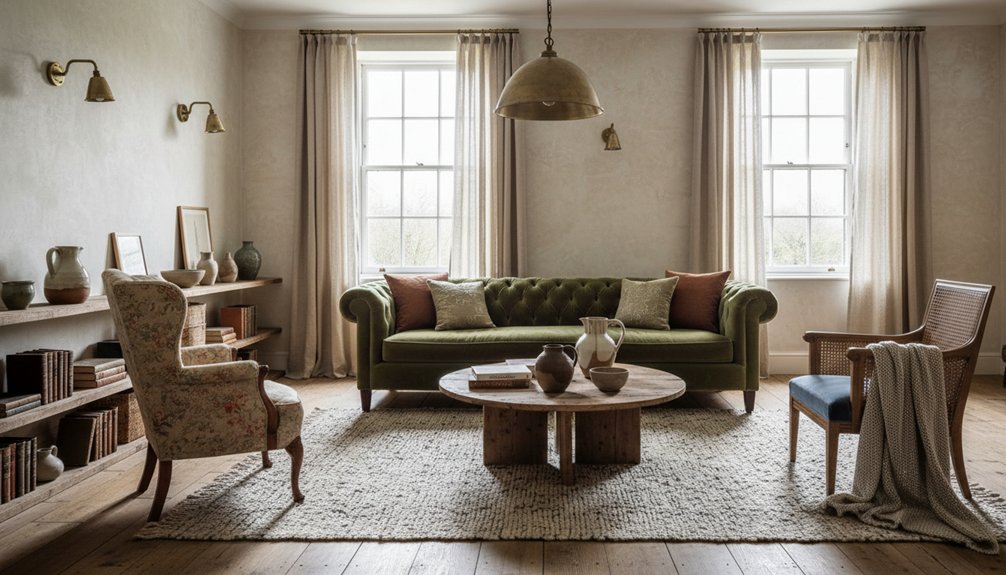
Like a well-worn armchair that improves with age, Britain’s homes are turning away from disposable trends and towards interiors with lasting character. You’re seeing this curated anti-trend approach in layered textures, vintage pieces, personal colours and carefully chosen modern comforts. It suits period properties, smaller spaces and increasingly conscious buying habits, while allowing your home to evolve gradually. But creating an authentic look takes more than adding old furniture; the balance between character and clutter matters.
Key Takeaways
- British homeowners are rejecting fast-changing trends in favour of timeless rooms with lasting appeal, comfort, and character.
- Anti-trend design suits Britain’s period properties, uneven layouts, changing light, and layered architectural details.
- Vintage furniture, reclaimed materials, and modern essentials create collected interiors that feel personal rather than showroom-perfect.
- Repeated colours, mixed patterns, and tactile materials provide cohesion while allowing homeowners to express individual tastes.
- Buying fewer, better-made pieces supports sustainability, repairability, and gradual updates without sacrificing a home’s established character.
What Does Anti-Trend Style Mean?
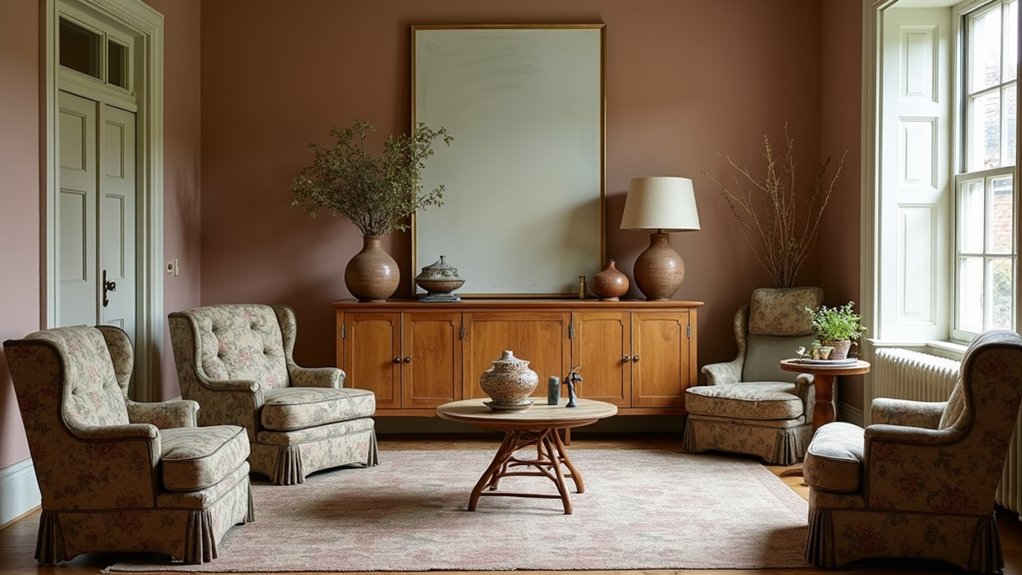
Anti-trend style means choosing interiors for their lasting appeal rather than following every new design cycle. You focus on proportion, craftsmanship, comfort, and personal meaning instead of copying a showroom or social-media mood.
This doesn’t mean your home must look plain, old-fashioned, or permanently finished. Instead, you edit carefully, selecting colours, materials, and furniture that can develop character and work together for years.
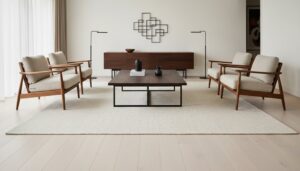
A Minimalist approach can support this philosophy, but anti-trend interiors aren’t limited to stark rooms. You might combine vintage pieces with contemporary lighting, or balance a bold artwork against restrained surfaces.
The aim is coherence, not novelty. Trend resistant design also encourages thoughtful purchasing: you’ll repair, reupholster, and rearrange before replacing.
Why Anti-Trend Style Suits British Homes
British homes suit anti-trend style because they often reward flexibility, comfort, and character over perfect uniformity. You can respond to that reality by choosing rooms that feel considered, not copied. Uneven layouts, changing light, period details, and practical household demands all benefit from a less prescriptive approach.
Rather than chasing each forecast, you’ll build a scheme around what genuinely works for your space and routines.
This attitude also reflects Britain’s layered cultural influences, from historic architecture to local craft and global design. Anti-trend decorating becomes a quiet design rebellion: you reject disposable sameness without sacrificing polish.
Focus on durable colours, useful pieces, and finishes that age gracefully. The result feels personal and adaptable, giving you freedom to refresh your home gradually instead of replacing everything whenever the market changes.
Blend Vintage Finds With Modern Comfort
Pairing vintage finds with modern comfort lets you create a home that feels collected rather than staged. Start with one characterful piece, such as a Victorian chest, Ercol chair, or reclaimed pine table, then anchor it with today’s practical essentials.
A supportive sofa, efficient lighting, and discreet storage guarantee the room works for everyday life rather rather than becoming a museum. Consider scale carefully: generous contemporary seating can balance delicate antiques, while a simple rug helps disparate pieces sit together.
Historical influences add depth, especially when you mix British craftsmanship with mid-century or industrial references. This Eclectic mix feels intentional when you repeat a finish, material, or shape across the room.
Buy slowly, prioritising quality and repairability, and let useful modern upgrades sit comfortably beside furniture with a visible past.
Choose Personal Colours, Patterns and Textures
Choose colours, patterns, and textures that reflect how you live, rather than following a prescribed palette. Start with one shade you genuinely enjoy, then build a flexible scheme around it. Consider light levels, room proportions, and the mood you want to create; warm ochres can make north-facing rooms feel welcoming, while soft blues bring calm to busy spaces.
Aim for Color harmony, not a perfectly matched catalogue look. Repeat a hue across upholstery, artwork, and smaller accents to create cohesion. For pattern mixing, vary scale: pair a generous stripe with a small floral or geometric motif, keeping one colour consistent.
Layer texture through linen, wool, velvet, timber, and ceramics, so the room feels collected rather than staged. You don’t need to predict tomorrow’s trend; choose pieces that support your routines and continue to please you.
Shop Sustainably for an Anti-Trend Home
Once you’ve identified the colours, patterns, and textures that feel right, shop with longevity in mind. Choose well-made furniture from durable materials, checking joinery, finishes, and guarantees before you buy.
Prioritise timeless shapes you’ll use for years rather than pieces designed to match a fleeting social-media look.
For upholstery, curtains, and bedding, seek Eco friendly fabrics such as organic cotton, hemp, linen, or recycled wool, and check care requirements to extend their life.
Buy fewer, better items, and repair rather than replace whenever possible.
Local artisans can offer distinctive, responsibly made pieces while reducing transport miles; ask about materials, production methods, and provenance.
Explore charity shops, reclamation yards, and reputable vintage dealers for quality finds.
Compare prices, avoid impulse purchases, and let sustainability guide every addition to your home.
Keep Character Without Creating Clutter
Let meaningful objects lead the scheme, rather than allowing every inherited piece to compete for attention. Choose a few pieces with genuine history—a framed print, local pottery, or a well-loved chair—and give each room to breathe. This approach creates Eclectic layering without tipping into visual noise.
Group smaller treasures on one shelf or tray, then repeat a colour, material, or shape to connect the collection. Edit ruthlessly: if an item doesn’t serve a memory, function, or clear aesthetic purpose, store it, donate it, or pass it on.
Use Minimalist restraint in your background choices, keeping walls, flooring, and large furniture quietly composed. You’ll preserve your home’s personality while maintaining calm sightlines.
Rotate sentimental pieces seasonally, so your rooms feel refreshed without constant shopping or overcrowding.
Frequently Asked Questions
How Much Does Creating an Anti-Trend Home Typically Cost?
You’ll typically spend £500–£5,000 creating an anti-trend home, depending on scale. For cost considerations, prioritise timeless furniture, paint, and secondhand finds. Follow budget friendly tips: repurpose existing pieces, buy slowly, and avoid unnecessary replacements.
Can Renters Embrace Anti-Trend Interiors Without Making Permanent Changes?
Yes, you can embrace anti-trend interiors without permanent changes. Choose Temporary accessories, removable wallpapers, vintage textiles, layered lighting, and freestanding furniture. Test ideas gradually, protect surfaces, and prioritise adaptable pieces you’ll happily move between homes.
Which Lighting Choices Complement an Anti-Trend British Home?
Choose Vintage fixtures with aged brass, opal glass, or ceramic details, then layer Ambient lighting through table lamps, wall sconces, and dimmable pendants. You’ll create warmth, flexibility, and character without chasing fleeting design trends.
How Can Families Make Anti-Trend Rooms Practical for Children and Pets?
You’ll need practically indestructible finishes: prioritise Durability considerations with washable paints, secured furniture, stain-resistant fabrics, and closed storage. Add Safety enhancements through rounded edges, non-slip rugs, washable covers, and pet-proof plants, preserving your room’s considered calm.
Do Anti-Trend Interiors Require Professional Design Help?
You don’t need professional design help for anti-trend interiors. Start with DIY decor, layer vintage accents, and trust your preferences. Hire a designer only for structural changes, complex layouts, or confidence with costly investments.